
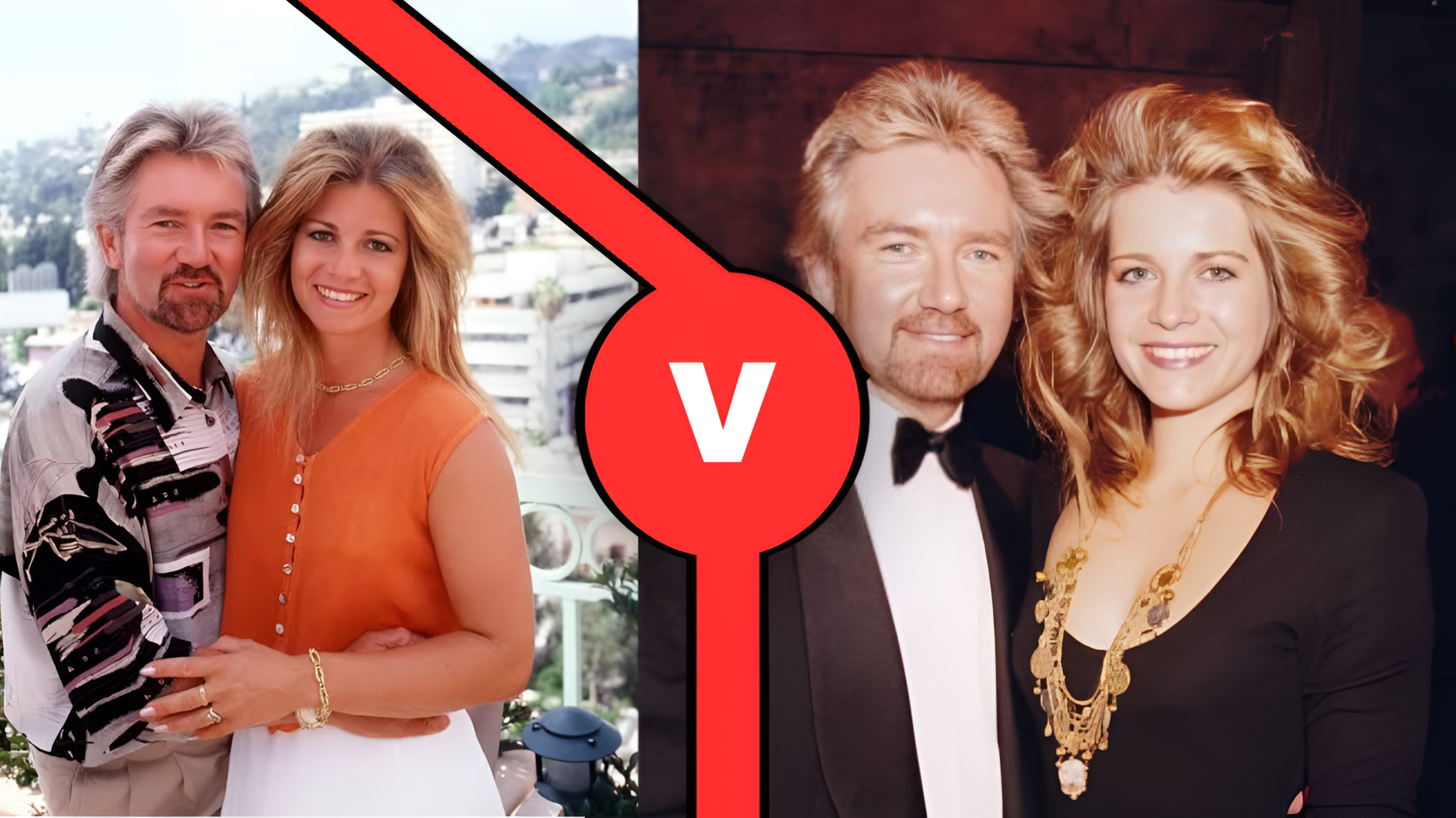

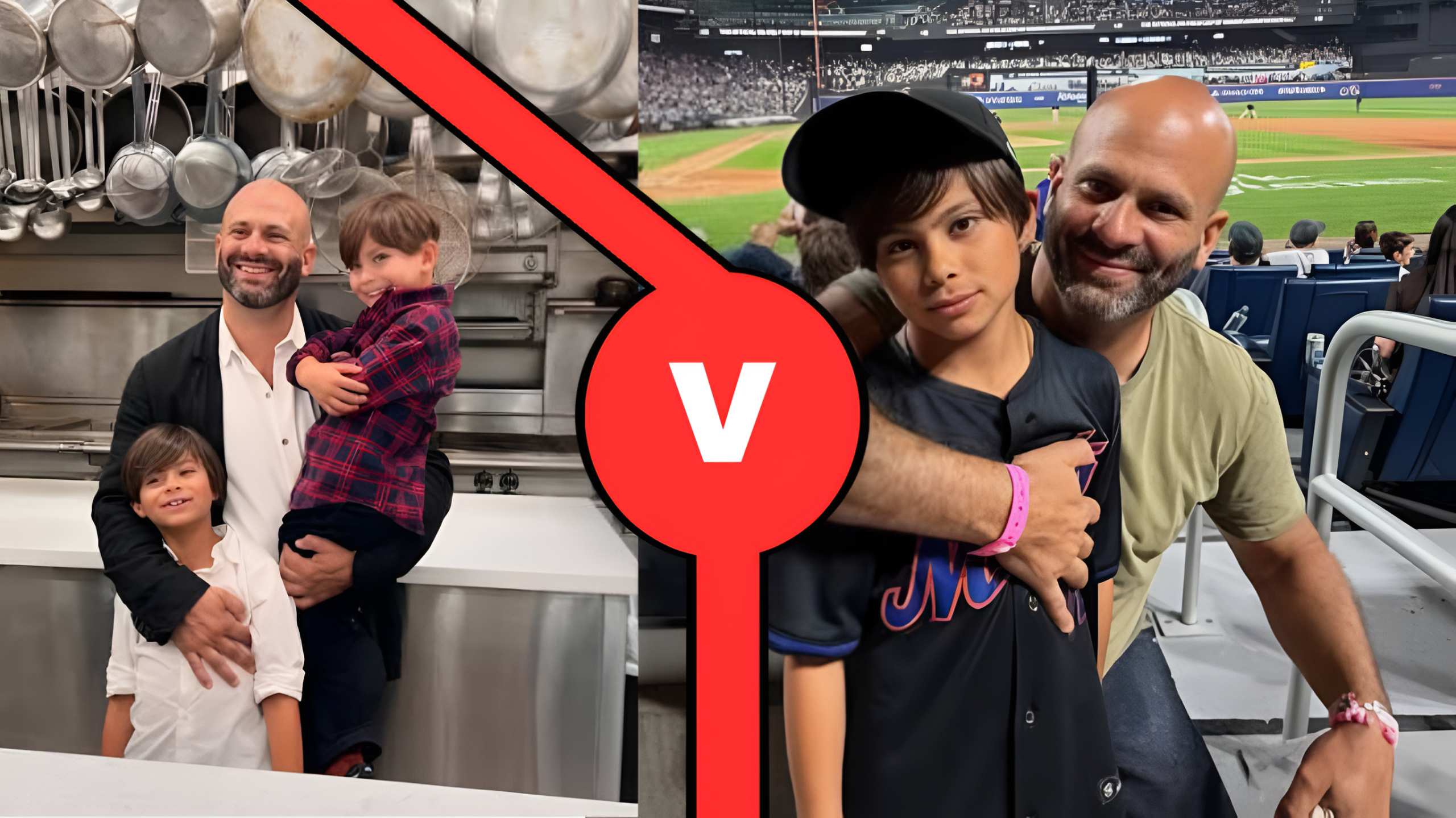



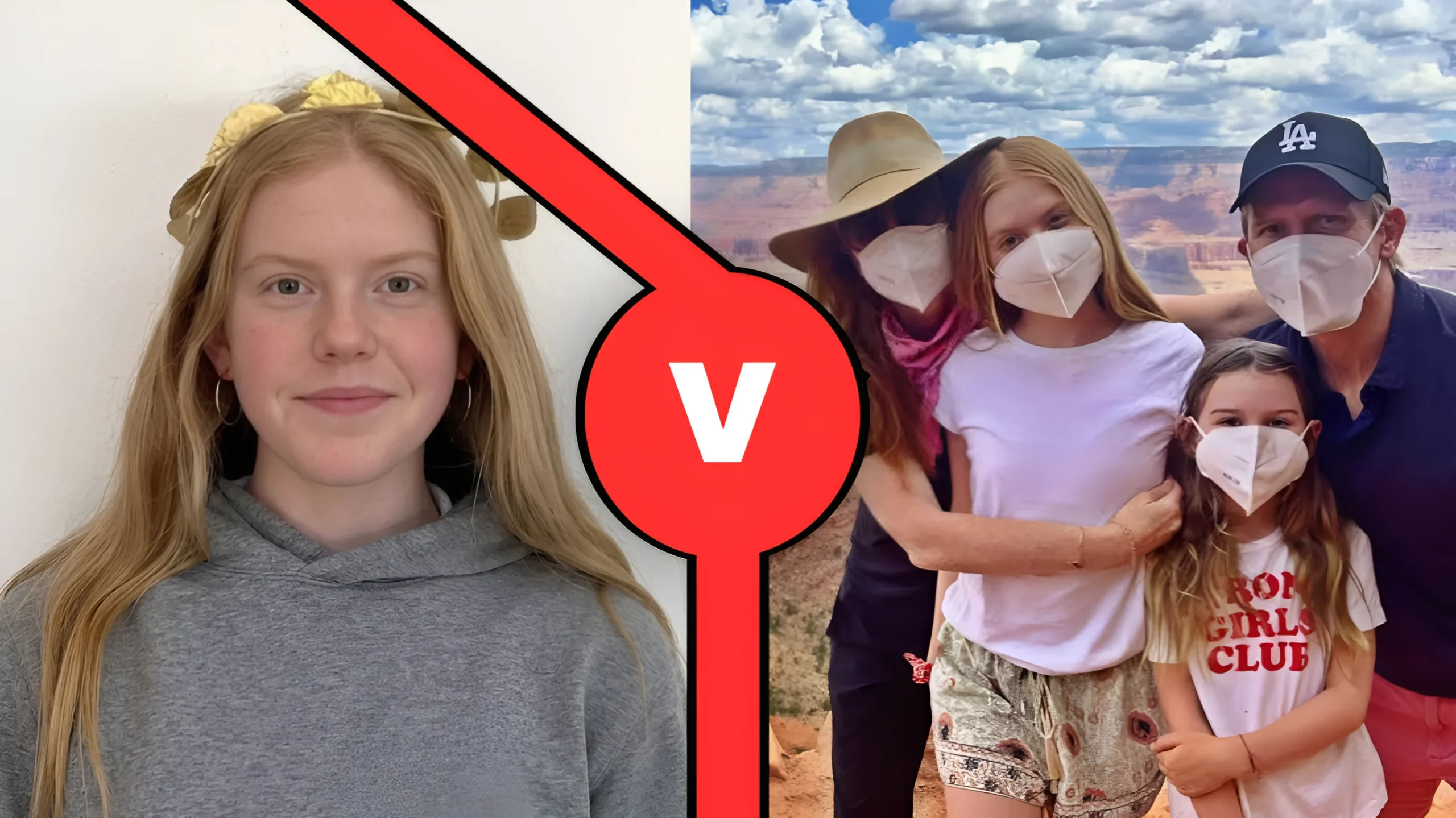


Seung Yong Chung is a Korean American business executive best known for his work in marketing and his former marriage to actress Diane Farr. Although his name frequently appears in celebrity biographies, his professional story extends beyond his connection to Hollywood. His association with Cashmere Agency, a creative marketing company established in Los Angeles, places him within an industry that connects brands, entertainment, and cultural trends.
Unlike actors and television personalities who regularly share details of their lives with the public, Chung has maintained a comparatively private profile. Consequently, many people searching for his name want to understand two things: who he is personally and what he accomplished professionally.
His story offers an interesting look at the relationship between business leadership, cultural identity, entertainment marketing, and privacy. Understanding these elements provides a more complete picture of Seung Yong Chung without relying on speculation about his private affairs.
Who Is Seung Yong Chung?
Seung Yong Chung is a businessman and marketing executive associated with the development of Cashmere Agency. He became known in entertainment-related searches partly through his marriage to Diane Farr, an American actress, writer, and producer.
However, describing him only through that relationship overlooks his professional background. Marketing agencies play an important role in the entertainment industry, helping companies communicate with audiences through advertising, creative campaigns, digital platforms, and culturally relevant storytelling. Chung’s career has been connected to this side of the business world rather than to acting itself.
His professional identity is especially relevant because marketing has changed considerably over the past two decades. Brands increasingly need to understand not only what consumers purchase but also how communities, cultural conversations, entertainment, and social media influence their decisions.
This environment has created opportunities for agencies that combine commercial strategy with cultural understanding. Cashmere Agency became associated with this approach, making Chung’s business background a meaningful part of his public profile.
Why Is Seung Yong Chung Well Known?
Public interest in Chung comes from several overlapping areas.
First, his association with Diane Farr connects his name to television and celebrity culture. Farr has appeared in productions including Numb3rs, Rescue Me, and Fire Country, giving entertainment audiences a reason to search for information about her personal life.
Second, Chung’s connection to Cashmere Agency attracts interest from people researching marketing executives and creative businesses. His professional background offers a separate reason for readers to learn about him.
Third, his relatively private lifestyle creates a contrast with the public visibility of many entertainment figures. When someone associated with a celebrity does not regularly appear in interviews or maintain a highly visible public persona, readers often have questions about their background and career.
These reasons explain the popularity of his name without suggesting that every detail circulating online is reliable. The most useful accounts distinguish between established professional information and personal details that remain difficult to verify.
Early Life and Cultural Background
Public biographies generally identify Chung as Korean American and report that he was born in Seoul, South Korea, before moving to the United States as a young child.
His reported background places his story within a broader experience shared by many immigrant families: maintaining connections to cultural traditions while building a life in a different country. Such experiences can shape perspectives on education, family, professional achievement, and identity, although individual experiences differ significantly.
It is important not to assume that a person’s cultural background determines their personality or business decisions. Chung’s heritage is part of the context surrounding his public biography, but it does not provide a complete explanation of his character or professional success.
Growing Up Between Cultural Environments
For people who grow up connected to more than one cultural environment, identity can involve a combination of family traditions, community experiences, education, and everyday life. Language, food, social expectations, and relationships with relatives may all contribute to how someone understands their background.
Chung’s Korean American identity has attracted additional attention because of his former marriage to Diane Farr. Their relationship became part of a wider public discussion about intercultural relationships and the ways couples navigate differences in family expectations.
Nevertheless, information about Chung’s childhood is limited compared with the public biographies of many actors and entertainers. Detailed claims about his upbringing, personal experiences, or childhood ambitions should therefore be approached cautiously unless they can be connected to reliable public accounts.
Education and Professional Preparation
Several published biographies associate Chung with Virginia Tech and George Washington University. They report that he studied finance at Virginia Tech before pursuing graduate education in information systems at George Washington University.
These reported areas of study are relevant to understanding the professional environment in which he later worked. Finance involves the management and evaluation of financial resources, while information systems examines how technology and information support organizational processes.
Both disciplines can be useful in business leadership. Financial knowledge can help executives evaluate budgets, commercial opportunities, and organizational performance. Information systems can provide a foundation for understanding how technology, data, and business operations interact.
In marketing, these skills can complement creative thinking. An agency must develop compelling ideas, but it also needs to manage clients, allocate resources, measure campaign performance, and coordinate teams.
The precise details of Chung’s academic history should be checked against institutional or other authoritative records before publication as definitive facts. Nevertheless, his reported educational background illustrates how analytical business skills can support a career in a creative industry.
Seung Yong Chung and Cashmere Agency
One of the most important elements of Chung’s professional biography is his association with Cashmere Agency, which he co-founded with Ted Chung in 2003.
The Los Angeles-based agency became known for work connecting brands and entertainment with cultural insights. Its approach reflected a growing recognition that successful marketing requires more than presenting the same message to every audience.
Consumers encounter brands through different communities, interests, media platforms, and cultural experiences. An advertising campaign that feels relevant to one audience may not communicate effectively with another. Agencies working in this area seek to understand those differences and develop campaigns that feel appropriate to the people they are intended to reach.
Cashmere’s professional identity developed around this relationship between culture and creative marketing.
What Does a Culture-Focused Marketing Agency Do?
A culture-focused marketing agency examines how people engage with entertainment, social trends, communities, and brands. Rather than treating advertising as a simple transaction between a company and a potential customer, this approach considers the wider context in which people encounter commercial messages.
Depending on the assignment, work may involve developing creative concepts, planning campaigns, producing digital content, coordinating partnerships, or helping a brand communicate through entertainment-related channels.
For example, a campaign aimed at music fans may need a different tone and creative approach from one designed for families or business professionals. The central message may remain consistent, but the presentation should reflect the interests and expectations of the intended audience.
Cultural awareness also requires care. A campaign that uses cultural references without understanding their meaning can appear superficial or inappropriate. Effective marketing therefore involves research, collaboration, and an appreciation of the people represented in the campaign.
This broader industry context helps explain the significance of Cashmere Agency and the type of business environment associated with Chung’s career.
The Importance of Leadership in Creative Businesses
Running a creative agency requires a balance between imagination and operational discipline. Creative teams need room to develop ideas, experiment with formats, and respond to changing audience behavior. At the same time, clients expect professional communication, reliable delivery, clear budgets, and results that support their objectives.
Agency leadership brings these responsibilities together.
Executives may oversee business development, client relationships, strategic planning, recruitment, financial management, and the overall direction of the organization. They must also respond to changes in technology and consumer behavior.
Digital platforms have transformed the marketing industry by making audience interaction faster and more measurable. Campaigns can spread across social networks, streaming services, websites, and entertainment platforms, requiring agencies to coordinate work across several channels.
A company operating in this environment must understand both creative production and commercial strategy. Chung’s association with Cashmere Agency provides a useful example of how business leadership can intersect with the creative economy.
Cashmere Agency’s Industry Recognition and Growth
Cashmere Agency attracted attention within the advertising industry as it developed its reputation in multicultural marketing. The company was recognized by Ad Age as a Multicultural Agency of the Year in 2019, an accolade frequently mentioned in accounts of its professional history.
Industry recognition can help a creative agency establish credibility with prospective clients and employees. Awards may reflect creative execution, strategic thinking, cultural relevance, or the broader impact of a company’s work.
However, an award should not be treated as a complete measure of an organization’s quality. Agencies operate across different markets and client needs, and their performance depends on the objectives of individual campaigns as well as the strength of their long-term relationships.
Cashmere’s growth also illustrates the commercial importance of specialized expertise. As companies seek to connect with increasingly diverse audiences, they may look for partners with a deeper understanding of particular communities and cultural environments.
The agency’s development was part of a broader change in marketing: cultural knowledge became an increasingly important component of brand strategy rather than a narrow consideration reserved for specialized campaigns.
The Media.Monks Business Transition
Another significant development in Cashmere Agency’s history was its integration into Media.Monks in 2021, within the wider S4Capital business structure.
Such a transition matters because creative agencies increasingly operate within larger networks that combine advertising, production, digital technology, and data capabilities. Joining a larger organization can potentially provide access to broader resources, new clients, additional expertise, and international operations.
For an agency with a culture-focused identity, integration into a larger network can also create opportunities to bring specialized knowledge into more extensive marketing programs.
At the same time, a business combination can change how an agency operates. Leadership structures, reporting relationships, client services, and internal processes may evolve as teams become part of a wider organization.
The transition is therefore an important part of the company’s history, although the exact effects on individual employees and executives should not be assumed without reliable information.
Publicly available accounts have described Chung as a co-founder and longtime chief executive associated with Cashmere. His precise current professional position is less straightforward to establish from older biographical descriptions alone. Readers should distinguish his documented historical association with the agency from claims about his present responsibilities.
Seung Yong Chung’s Marriage to Diane Farr
Chung’s former marriage to Diane Farr is another major reason for public interest in his biography.
Farr is an American actress and writer whose career includes television drama and other entertainment projects. Their relationship attracted attention because it connected a business executive who generally remained outside the entertainment spotlight with a recognizable television personality.
The couple married on June 24, 2006, in Mammoth Lakes, California, according to published wedding coverage. Their marriage brought together two professional worlds: entertainment and business.
Farr’s public career has involved acting, writing, and discussing aspects of her personal experiences. Chung, by contrast, has maintained a much lower public profile. This difference has contributed to the way their relationship is represented in online biographies.
An Intercultural Relationship
Farr has discussed aspects of their intercultural relationship publicly, including differences in family expectations and the experience of navigating cultural traditions.
Intercultural relationships can involve conversations about family, identity, customs, and the expectations each partner brings into a marriage. These conversations are not unique to any one couple, and their outcomes depend on the individuals involved.
It would be inaccurate to reduce Chung and Farr’s relationship to cultural differences alone. A marriage is a private and complex partnership, and outsiders rarely have access to the full circumstances that shape it.
The couple’s experience is relevant to readers interested in intercultural relationships because it highlights a broader subject: partners may need to understand one another’s family backgrounds while making decisions that reflect their own values and circumstances.
Their story should not be treated as representative of every Korean American family or every intercultural marriage.
Their Family and Children
Chung and Farr have three children together: a son and twin daughters. Their family has been mentioned in public biographies of both parents.
Although readers may be curious about the children’s lives, they are entitled to privacy, particularly because they did not choose to become public figures through their parents’ careers.
A responsible biography can acknowledge the family relationship without turning the children’s private experiences into entertainment. Their education, friendships, daily routines, and personal development do not need to be disclosed for readers to understand Chung’s public background.
Family life also demonstrates why celebrity-related biographies should maintain reasonable boundaries. Public interest in a well-known actor does not automatically make every relative’s private life a suitable subject for detailed reporting.
Divorce and Life Outside the Public Spotlight
Chung and Farr are no longer married. Their relationship has been discussed in later coverage, but accounts differ about the exact timing of their separation and divorce.
For that reason, it is better to avoid stating a precise divorce date without a dependable record or direct confirmation. Conflicting dates repeated across biography websites do not necessarily establish which account is correct.
The end of a marriage can be a significant personal event, but not every detail must become public information. Unless the individuals involved choose to explain their circumstances, outside observers should not invent reasons or present assumptions as facts.
Similarly, claims about Chung’s current romantic relationships, home address, daily activities, or personal plans should not be treated as reliable simply because they appear on websites discussing celebrity families.
What can be said more confidently is that his public identity has remained primarily connected to business and his past marriage rather than a continuous presence in entertainment news.
What Is Seung Yong Chung’s Net Worth?
The question of Chung’s net worth appears frequently in online searches. However, an exact figure cannot be established confidently from the publicly available information commonly repeated in celebrity biographies.
Websites sometimes publish estimates of a person’s wealth without explaining their calculations or identifying reliable financial records. Such numbers may be copied from one site to another, creating the appearance of agreement without independent confirmation.
Assessing an executive’s wealth would require information about several factors, including personal assets, business interests, compensation, liabilities, taxes, and any proceeds from company transactions. Much of that information is private.
The business history of Cashmere Agency does not, by itself, reveal how much money Chung personally earned or retained. Company value and personal net worth are different concepts, and a business transaction does not necessarily mean that a founder received a particular amount.
The most accurate conclusion is that Chung’s exact net worth is not publicly verified. Readers should be cautious about precise dollar amounts presented without transparent evidence.
Why Privacy Matters in Seung Yong Chung’s Biography
Chung’s biography highlights an important distinction between public relevance and personal privacy.
His professional background is relevant because it concerns business leadership, marketing, and a company with an identifiable place in the creative industry. His marriage to a public figure is also part of the documented context surrounding his name.
However, many other aspects of his life remain outside the public record. A lack of information does not mean that a person has no accomplishments, interests, or meaningful experiences. It may simply mean that the person has chosen not to share those details widely.
Online biographies sometimes attempt to fill these gaps with precise ages, financial estimates, relationship timelines, and claims about current activities. When such details lack reliable confirmation, adding them can make an article appear more complete while actually reducing its accuracy.
A better approach is to explain what is known, identify where uncertainty remains, and avoid treating speculation as fact.
For readers, this approach provides a more realistic understanding of Chung. It also illustrates why responsible biographical writing should prioritize evidence over the desire to answer every possible question with an exact number or definitive statement.
Seung Yong Chung’s Professional Legacy
Chung’s most identifiable professional contribution is his association with Cashmere Agency and its work in the cultural marketing sector.
The agency’s history reflects a broader development in advertising: brands increasingly recognize that audiences are not interchangeable groups of consumers. Their interests, cultural experiences, and relationships with entertainment influence how they respond to messages.
Businesses that understand these differences may be better positioned to create relevant campaigns and build stronger connections with their audiences. That does not eliminate the need for sound research, creative quality, or clear commercial objectives, but it demonstrates why cultural understanding has become an important part of marketing strategy.
Chung’s career also illustrates the role of business executives who operate largely behind the scenes. An agency leader may influence creative projects, client relationships, and organizational strategy without becoming a recognizable personality to the general public.
His public biography therefore has two dimensions: the business career associated with Cashmere and the personal connection that brought his name into celebrity-related searches. Both explain why people are interested in him, but they serve different purposes and should be understood separately.
Frequently Asked Questions
Who is Seung Yong Chung?
Seung Yong Chung is a Korean American businessman and marketing executive associated with Cashmere Agency. He is also known publicly as the former husband of actress Diane Farr.
What does Seung Yong Chung do?
He is known for his work in marketing and business leadership. He co-founded Cashmere Agency with Ted Chung in 2003 and was associated with the agency’s leadership for many years.
Is Seung Yong Chung an actor?
He is known primarily as a businessman and marketing executive, not as an actor. His connection to the entertainment industry comes through marketing and his former marriage to Diane Farr.
Who was Seung Yong Chung married to?
He was married to American actress and writer Diane Farr. They married in June 2006 and later ended their marriage.
How many children does Seung Yong Chung have?
He and Diane Farr have three children: one son and twin daughters. Further details about the children’s private lives should be treated with appropriate discretion.
Where was Seung Yong Chung born?
Published biographical accounts generally identify Seoul, South Korea, as his birthplace and report that he moved to the United States when he was young.
What is Cashmere Agency known for?
Cashmere Agency became associated with creative and culture-focused marketing, connecting brands and entertainment with audiences through campaigns informed by cultural trends and consumer interests.
What happened to Cashmere Agency?
Cashmere Agency became part of the Media.Monks organization within S4Capital in 2021. Its integration reflected the broader trend of creative agencies joining larger networks that combine marketing, production, and digital capabilities.
What is Seung Yong Chung’s net worth?
His exact net worth has not been reliably established in the public domain. Online estimates should be treated cautiously unless they are supported by credible financial evidence.
Why is Seung Yong Chung searched online?
People generally search for him because of his association with Cashmere Agency, his business career, his former marriage to Diane Farr, and curiosity about his relatively private life.
Conclusion
Seung Yong Chung is best understood as a businessman whose public biography connects marketing leadership with the entertainment industry. His association with Cashmere Agency provides the clearest professional context, while his former marriage to Diane Farr explains much of the public interest in his personal background.
His story also reflects a wider change in marketing, where cultural understanding, creative strategy, and audience engagement have become important parts of business communication.
Although curiosity about his private life continues, not every question has a publicly verified answer. His exact net worth, some details of his personal history, and his current professional circumstances should not be presented with certainty without stronger evidence.
Ultimately, a balanced account of Seung Yong Chung recognizes his documented business association, acknowledges the public context of his former marriage, and respects the distinction between established information and private matters that remain unknown.
RELATED POST: Marcy Wudarski: Her Life, Family, and Connection to James Gandolfini