








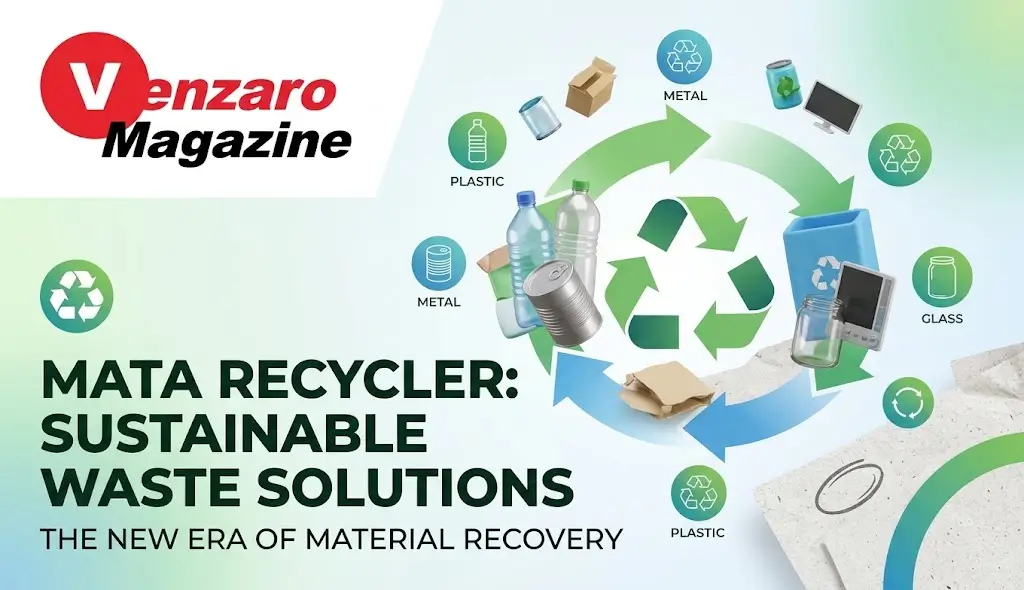
MataRecycler is a name increasingly associated with recycling, environmental sustainability, and modern waste management. As interest in responsible consumption grows, people are searching for practical ways to reduce waste, recover useful materials, and understand the technologies changing the recycling industry. MataRecycler has become part of that conversation, although its meaning is not always explained consistently. Some websites describe it as an information platform, while others present it as an advanced recycling system powered by artificial intelligence. Understanding the difference is essential for anyone interested in the name.
The clearest documented use of MataRecycler is as an online platform publishing information about recycling practices, waste reduction, and environmental responsibility. Its stated purpose is to make sustainability knowledge accessible to individuals, businesses, and communities. Meanwhile, descriptions of a specialized MataRecycler machine or automated sorting system have circulated online without sufficient technical evidence establishing a particular commercial product.
In 2026, MataRecycler is best understood by examining its informational role alongside the real technologies transforming recycling. Smart sorting equipment, computer vision, and automated waste processing already exist, but those developments should not automatically be attributed to an unverified product. This guide explains what MataRecycler refers to, how modern recycling works, and what readers should know before relying on claims about emerging environmental technology.
What Is MataRecycler?
MataRecycler is primarily recognized as a name associated with online recycling education and sustainability content. The website using the MataRecycler name describes its mission as helping people understand recycling processes, environmentally responsible habits, and practical approaches to reducing waste. Its materials are intended for readers interested in making informed decisions about the disposal and reuse of everyday items.
The platform’s subject matter includes recycling methods, waste management, resource conservation, and sustainable alternatives to common disposal practices. These topics are relevant because many households remain uncertain about which materials can be recycled and how recycling systems actually process discarded products. Informational websites can help explain these subjects, although specific disposal instructions should always be checked against local collection requirements.
Confusion arises because other online articles describe MataRecycler as a technologically advanced recycling solution involving artificial intelligence, sensors, and automated sorting. Those descriptions are not equivalent to the website’s stated informational purpose. No sufficiently documented manufacturer or technical specification currently establishes a particular recycling machine operating under the same name.
The Purpose Behind MataRecycler
The central idea associated with MataRecycler is promoting greater awareness of responsible resource use. Modern consumption produces enormous quantities of packaging, electronic equipment, discarded household products, and industrial materials. When these items are not managed appropriately, potentially useful resources may be lost while environmental pressures increase.
Recycling education attempts to address this problem by explaining how materials can be collected, sorted, processed, and returned to productive use. It also encourages individuals to consider alternatives such as repairing products, reusing containers, or purchasing goods with less unnecessary packaging.
MataRecycler’s informational approach fits within this wider sustainability discussion. Rather than assuming that environmental improvement depends entirely on expensive equipment, readers can begin with practical decisions about what they purchase and discard. Education does not eliminate the infrastructure required for recycling, but it can help people understand their responsibilities within the process.
How Does MataRecycler Work?
As an information website, MataRecycler works by publishing articles and guides related to recycling and sustainability. Readers can explore explanations of waste management, environmental practices, and methods for reducing the amount of material discarded unnecessarily. This is different from operating a physical recycling facility, collecting household waste, or manufacturing automated sorting equipment.
The broader recycling process begins when discarded materials are collected and directed toward appropriate processing facilities. Depending on the local system, materials may be separated by households before collection or sorted later at a recycling facility. Different types of equipment can then help identify and separate plastics, metals, paper, and other recoverable materials.
After sorting, suitable materials undergo additional processing. Paper may be pulped for new paper products, metals can be prepared for remelting, and certain plastics may be cleaned and converted into materials for manufacturing. Not every discarded item can be processed successfully, and local recycling capabilities differ significantly. Understanding these limitations is essential when evaluating environmental claims.
Is MataRecycler an AI-Powered Recycling System?
Some online explanations describe MataRecycler as an artificial intelligence system designed to identify and separate recyclable materials. These descriptions often mention cameras, sensors, automated bins, robotics, and data analysis. However, the specific combination of those features has not been independently verified as a commercially available MataRecycler product.
Artificial intelligence is genuinely used within modern recycling operations. Computer vision systems can analyze images of materials moving along conveyor belts, while machine-learning software can help classify objects according to their visible characteristics. In certain facilities, automated equipment then separates selected items from a mixed waste stream.
These technologies can improve processing efficiency when they are correctly installed, maintained, and adapted to the materials being handled. Their performance depends on practical factors such as contamination, lighting, equipment maintenance, and the composition of incoming waste.
The existence of genuine AI recycling technology does not establish that MataRecycler itself manufactures or operates such equipment. Readers should distinguish descriptions of established industrial methods from claims about a particular brand or product.
MataRecycler and Modern Waste Management
Modern waste management involves more than placing unwanted products in a recycling container. Effective systems must consider collection logistics, sorting accuracy, material quality, processing costs, and demand for recovered resources. A material may technically be recyclable but still face practical barriers if local facilities cannot process it economically.
This is why educational discussions surrounding MataRecycler can be useful. People often assume that every item carrying a recycling symbol belongs in their household recycling bin. In reality, acceptance depends on local collection programs, available facilities, and the characteristics of the material.
Contamination creates another important challenge. Food residue, unsuitable packaging, and nonrecyclable items can interfere with processing and sometimes reduce the value of otherwise recoverable materials. Clear instructions and responsible disposal habits can help limit these problems.
Technology offers additional opportunities for improving waste management, but its effectiveness depends on the overall system in which it operates. Education, infrastructure, and responsible purchasing decisions remain important alongside automation.
The Role of Artificial Intelligence in Recycling
Artificial intelligence has become increasingly relevant to recycling because identifying different materials quickly and accurately can be difficult. A busy sorting facility may process large volumes of mixed waste containing packaging with similar shapes but different material compositions. Automated recognition tools can assist with decisions that would otherwise require extensive manual sorting.
Camera-based systems analyze the appearance of objects, while specialized sensors may provide additional information about material characteristics. Software processes this information to support classification, and mechanical equipment can direct selected objects into appropriate streams.
These systems still have limitations. Crushed packaging, dirty surfaces, unusual materials, and overlapping items may complicate identification. Equipment also requires calibration, maintenance, and periodic improvements as packaging designs change.
Smart recycling should therefore be understood as a developing industrial capability rather than a perfect solution. Claims about exceptional accuracy or completely automated operations should be supported by documented testing. This is particularly important when evaluating descriptions of an unfamiliar system using the MataRecycler name.
What Are the Benefits of Smart Recycling?
Smart recycling technology can offer several potential advantages when deployed appropriately. Automated sorting may help facilities process materials consistently, reduce certain repetitive manual tasks, and gather information about the composition of incoming waste. Better identification can also support the recovery of valuable resources that might otherwise be discarded.
Data collection provides another possible benefit. Facilities can use operational information to understand which materials arrive most frequently, where sorting mistakes occur, and whether equipment is working as intended. These insights may support improvements in efficiency and planning.
However, potential benefits do not guarantee successful results in every installation. Equipment costs, energy requirements, maintenance expenses, and the quality of incoming waste influence overall performance.
Environmental improvements also depend on what happens after materials are sorted. Recovering plastic or metal is useful only when appropriate processing and manufacturing routes are available. Smart equipment works best as one component of a carefully organized recycling system.
MataRecycler.com and MataRecycler.org Explained
Two different websites use the MataRecycler name, which can create confusion among readers. MataRecycler.com presents itself as an information platform focused on recycling practices, waste reduction, environmental awareness, and sustainable living. Its stated mission emphasizes accessible educational material for individuals and organizations.
MataRecycler.org also describes itself as an information platform associated with sustainability and technology. However, its visible editorial content covers a broader selection of subjects, including general lifestyle, business, entertainment, and other topics.
The similarity between the domain names does not establish that both websites share the same ownership, management, or editorial policies. Readers should evaluate each website independently rather than assuming they represent a single organization.
This distinction also matters when assessing technical claims. An informational article describing a potential recycling technology does not automatically mean the publisher manufactures or sells the equipment being discussed. The identity of the publisher and the nature of the proposed product should be verified separately.
Is MataRecycler a Real Company or Product?
MataRecycler is associated with functioning informational websites, but public documentation does not clearly establish a specific commercial recycling machine, manufacturer, or operating waste-management company under that name.
A verifiable equipment supplier would ordinarily provide details about its products, technical capabilities, installation requirements, customer support, and commercial availability. Organizations considering an industrial recycling system would also expect documentation concerning safety, performance, maintenance, and operating costs.
Those details are important because an attractive description of automated recycling technology is not the same as evidence that a particular machine exists.
The absence of confirmed product information does not prove that no private project or future product could use the name. It does mean that readers should avoid treating unverified technical descriptions as established commercial specifications.
For now, MataRecycler’s clearest documented identity remains its association with informational publishing.
Why MataRecycler Is Gaining Online Attention
Interest in MataRecycler appears connected with wider discussions about environmental technology and sustainability. Recycling is an accessible subject that affects households, businesses, manufacturers, and local governments, making it suitable for a broad range of online articles.
The combination of recycling and artificial intelligence also creates curiosity because automation is increasingly discussed as a way to improve industrial operations. Articles describing smart bins and intelligent sorting systems can attract readers who want to understand whether new technologies might simplify waste disposal.
However, repeated online descriptions do not necessarily represent independent confirmation. When different websites publish similar claims about an unfamiliar product, the underlying details still require verification.
Readers can benefit from the discussion by learning how genuine recycling technologies operate, while remaining cautious about unsupported claims concerning the MataRecycler name.
Frequently Asked Questions About MataRecycler
What is MataRecycler?
MataRecycler is a name associated with websites publishing information about recycling, waste reduction, sustainability, and environmental awareness. Some online descriptions also associate it with smart recycling technology, but a specific commercial system has not been independently verified.
Is MataRecycler a real recycling machine?
No particular physical recycling machine sold under the MataRecycler name has been confirmed through reliable manufacturer specifications, product documentation, or verified commercial installations.
Does MataRecycler use artificial intelligence?
Some articles describe AI-powered MataRecycler technology, but those specific claims remain unconfirmed. Artificial intelligence is used in real recycling operations, although that does not establish its use by a particular MataRecycler product.
What is the difference between MataRecycler.com and MataRecycler.org?
They are separate website addresses. MataRecycler.com focuses primarily on recycling and sustainability information, while MataRecycler.org presents a broader informational publishing platform. Shared ownership has not been reliably established.
Can MataRecycler help people recycle better?
Its educational content may help readers understand waste reduction and recycling principles. However, local recycling authorities should remain the primary reference for determining which materials are accepted in a particular area.
Closing Thoughts
MataRecycler has attracted attention because its name connects two increasingly important subjects: environmental sustainability and modern recycling technology. Its clearest documented role is as an informational platform offering content about recycling practices, waste management, and responsible resource use. Although some online articles describe MataRecycler as an advanced AI-powered recycling system, those claims have not been supported by sufficient evidence identifying a particular commercial product.
Understanding this distinction allows readers to appreciate the genuine progress occurring within the recycling industry without confusing emerging concepts with verified equipment. Artificial intelligence, computer vision, and automated sorting already contribute to waste processing, but successful recycling also depends on collection systems, material quality, economic conditions, and individual behavior.
Ultimately, MataRecycler is most useful as a starting point for exploring recycling and sustainability information. Readers interested in practical improvements should focus on accurate disposal guidance, reducing unnecessary waste, and understanding how materials are recovered. The larger lesson is that responsible recycling requires both reliable information and effective systems, regardless of the technology or name associated with them.
RELATED POSTS:
Pantagonar: What It Means, Where the Name Appears and What Can Be Verified
Yonochomp Com Review 2026: What It Is, Who Writes for It, Guest Posts, Safety & Legitimacy