



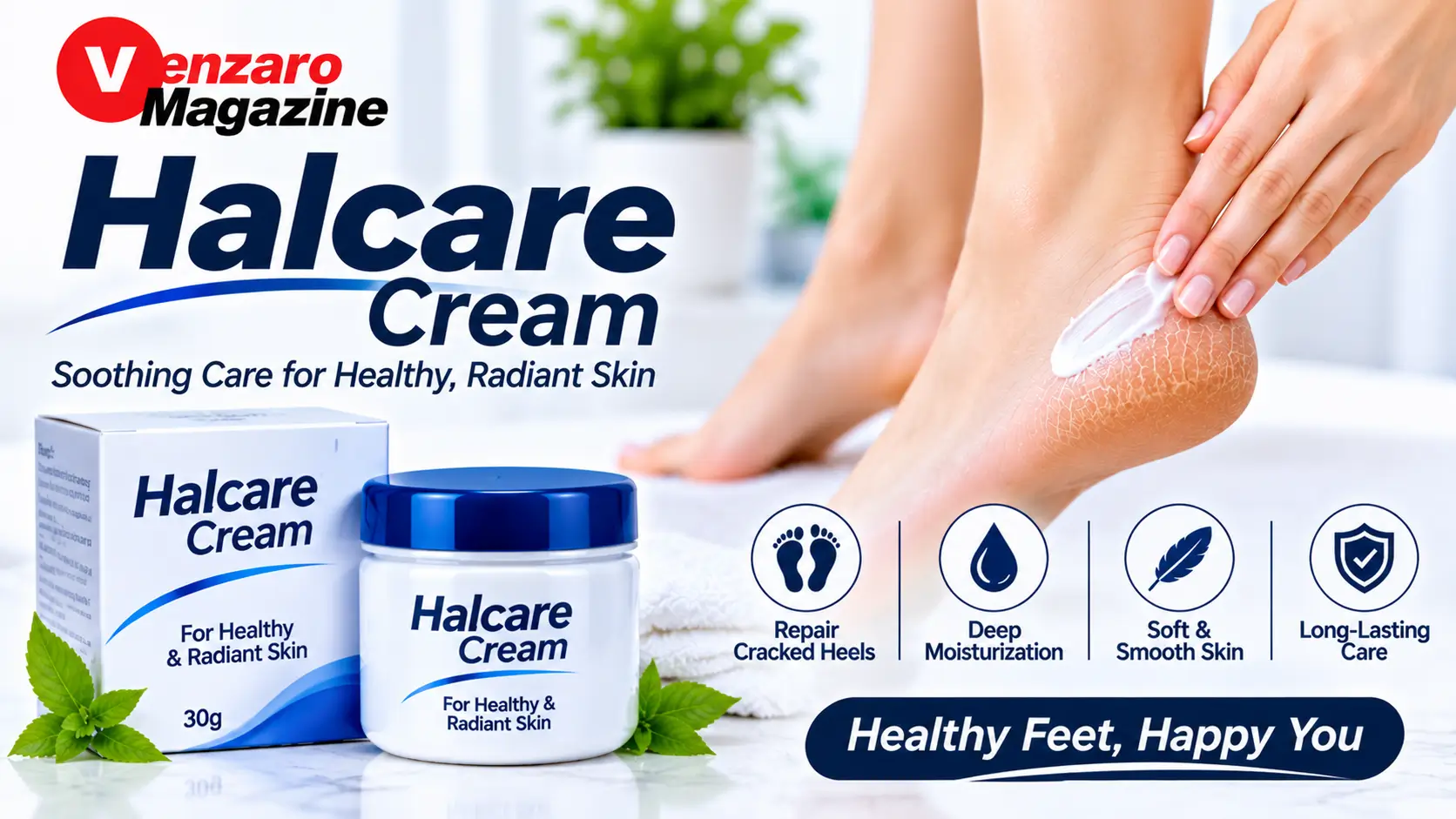




Halcare Cream is a topical moisturizing product associated with Halberd Pharmaceuticals. It is designed to support skin hydration and help manage dryness, particularly on the feet and heels. Its formulation contains ingredients such as urea, glycerin, aloe vera, cocoa butter, vitamin E, zinc oxide, dimethicone, and petroleum jelly. These ingredients serve different purposes, including attracting moisture, softening rough skin, and reducing water loss.
The product is particularly relevant to people experiencing dry feet, rough heels, and skin that feels tight or uncomfortable. It is also discussed in connection with diabetic foot care because maintaining healthy skin is an important part of foot care for people living with diabetes. However, Halcare Cream should be understood as a moisturizing skincare product rather than a treatment for diabetes, infections, or diabetic foot ulcers.
Understanding its ingredients, intended uses, application precautions, and limitations can help consumers decide whether this cream is suitable for their skincare routine.
What Is Halcare Cream?
Halcare Cream is a topical skin-conditioning and moisturizing formulation listed in the product catalogue of Halberd Pharmaceuticals, an Indian pharmaceutical company.
The cream combines moisturizing ingredients with emollients and protective substances. This combination is intended to improve skin softness and help maintain moisture in the outer skin layers.
Dry skin can develop when the skin loses too much moisture. It may feel rough, flaky, tight, or uncomfortable. The heels and soles are particularly susceptible to thickened and dry skin because they experience repeated pressure and friction during everyday activities.
Halcare Cream is intended to support skin hydration in these situations. Its ingredient combination makes it relevant to people looking for a foot moisturizer rather than a conventional medicine for treating an underlying disease.
What Is Halcare Cream Used For?
Halcare Cream is primarily associated with moisturizing dry and rough skin. Its formulation contains several ingredients commonly used in skincare products to improve hydration and reduce moisture loss.
1. Dry Feet and Skin Hydration
One of its main purposes is helping manage dry skin. Ingredients such as urea and glycerin support moisture retention in the outer skin layers.
Regular use of an appropriate moisturizer may help reduce the uncomfortable tightness and roughness associated with dehydrated skin.
2. Rough and Cracked Heels
The heels can become dry and thickened because of pressure, footwear, and environmental conditions. Moisturizing ingredients may help soften this hardened skin and improve flexibility.
However, deep, painful, bleeding, or infected heel cracks require medical assessment rather than moisturizer alone.
3. General Foot Care
Halcare may be considered as part of a regular foot-moisturizing routine. Keeping the skin hydrated can support its natural protective barrier and improve overall comfort.
People who spend extended periods standing or walking may particularly appreciate a consistent foot-care routine.
4. Supporting Diabetic Foot Care
People with diabetes may experience dry skin because diabetes-related nerve damage can affect sweating and skin condition.
An appropriate moisturizer may help maintain skin hydration on healthy, intact feet. However, Halcare Cream cannot reverse nerve damage, improve poor circulation, control blood glucose, or heal diabetic foot ulcers.
Anyone with diabetes who has reduced foot sensation, open wounds, or previous ulcers should consult a healthcare professional before choosing a foot-care product.
Halcare Cream Ingredients and Their Benefits
The ingredient formulation published by Halberd Pharmaceuticals contains several moisturizing and skin-conditioning substances. Understanding their individual functions helps explain how the cream works.
Urea: Urea is a moisturizing ingredient that helps attract and retain water. At suitable concentrations, it can also soften thickened and rough skin.
Glycerin: Glycerin is a humectant, meaning it helps attract moisture into the outer skin layer. It is commonly included in products designed for dry skin.
Aloe Vera: Aloe vera is used in skincare formulations for its conditioning and soothing properties.
Cocoa Butter: Cocoa butter acts as an emollient that helps soften rough skin and improve its feel.
Vitamin E: Vitamin E is commonly included in skincare products for its antioxidant and conditioning properties.
Zinc Oxide: Zinc oxide is used in topical formulations for its skin-protective properties.
Dimethicone: Dimethicone helps create a protective layer on the skin and can reduce moisture loss.
Light Liquid Paraffin and White Petroleum Jelly: These ingredients act as occlusive moisturizers, helping prevent excessive water loss from the skin.
L-Arginine: This amino acid is included in the published formulation, although its specific clinical benefits in Halcare Cream have not been established.
The formula also contains propylene glycol, cetyl alcohol, stearyl alcohol, preservatives, and perfume. These ingredients contribute to product texture, stability, and formulation performance.
How Does Halcare Cream Work?
Halcare Cream combines three general types of moisturizing ingredients: humectants, emollients, and occlusive agents.
Humectants such as urea and glycerin help attract and retain moisture in the outer skin layers. This can improve hydration and reduce the rough feeling associated with dryness.
Emollients such as cocoa butter and fatty alcohols help soften the skin and improve its texture. They make rough areas feel smoother and more comfortable.
Occlusive ingredients such as petroleum jelly, liquid paraffin, and dimethicone help reduce water evaporation from the skin surface.
Together, these ingredients support skin hydration through different mechanisms. However, the exact results depend on the formulation, ingredient concentrations, and individual skin condition.
The manufacturer does not provide sufficient published clinical evidence to establish a specific improvement timeline or prove that the finished product is superior to other foot moisturizers.
How to Use Halcare Cream
Before using Halcare Cream, check the product packaging for the manufacturer’s application instructions and precautions.
For ordinary dry skin, topical moisturizers are generally applied to clean, dry areas in an appropriate amount and spread gently.
Avoid applying the product between the toes, where excessive moisture can encourage certain skin problems. Do not apply it to deep wounds, infected areas, or diabetic ulcers unless a healthcare professional specifically recommends it.
The application frequency should follow the product label or professional advice. Using more cream than recommended does not necessarily produce better results.
If you have sensitive skin, reviewing the complete ingredient list before application is particularly important.
Possible Side Effects of Halcare Cream
Most moisturizing ingredients are commonly used in skincare products, but individual reactions are possible.
Potential unwanted reactions include redness, itching, mild burning, irritation, or an allergic rash.
The presence of perfume and preservatives may be relevant for people who have sensitive skin or known ingredient allergies. Urea-containing formulations may also sting when applied to severely cracked or damaged skin.
If irritation develops, stop using the cream and seek professional advice if symptoms continue.
People with diabetes should pay particular attention to unexpected skin changes because reduced sensation may make it harder to recognize minor injuries.
Is Halcare Cream Suitable for People With Diabetes?
Halcare Cream may be considered for moisturizing dry, intact skin in some people with diabetes.
Foot care is especially important for this group because diabetes can contribute to nerve damage, reduced sensation, and circulation problems. These complications may increase the risk of unnoticed injuries and delayed healing.
A suitable moisturizer can support skin hydration, but it is only one part of a wider foot-care routine.
People with diabetes should inspect their feet daily, wear appropriate footwear, and seek medical attention for new wounds, swelling, redness, warmth, or unusual skin changes.
Halcare should never be used as a substitute for medical treatment of diabetic foot ulcers or infections.
Halcare Cream Price and Availability
Halcare Cream is listed by Halberd Pharmaceuticals in India. Retail information also identifies a 100 ml package, although availability and prices can change between sellers.
Consumers should check current prices through reputable pharmaceutical retailers rather than relying on outdated online listings.
Before purchasing, inspect the product packaging, expiry date, batch details, manufacturer information, and ingredient list. Avoid products with damaged seals or unclear labeling.
People purchasing outside India should also verify whether the product is available through a trustworthy seller in their country.
Halcare Cream vs. Regular Foot Moisturizers
Halcare combines urea, glycerin, cocoa butter, dimethicone, petroleum jelly, and other ingredients in one formulation.
Some ordinary foot moisturizers contain similar ingredients, while others use simpler formulas.
A urea-based moisturizer may be useful for dry, thickened skin, whereas a basic fragrance-free moisturizer may be preferable for people with sensitive skin.
There is no established head-to-head clinical evidence proving that Halcare Cream is better than all other foot creams.
The best choice depends on the individual’s skin condition, ingredient tolerance, product instructions, and professional recommendations when needed.
Closing Thoughts
Halcare Cream is a moisturizing skincare product formulated with ingredients such as urea, glycerin, aloe vera, cocoa butter, vitamin E, and protective emollients.
Its main purpose is to support hydration and improve the softness of dry, rough skin, particularly around the feet and heels. It may also be considered as part of a diabetic foot-care routine when used appropriately on intact skin.
However, it is important to understand its limitations. Halcare is not a treatment for diabetes, poor circulation, nerve damage, infections, or diabetic foot ulcers.
Checking the product label, following appropriate application instructions, and seeking medical advice for concerning foot problems are essential steps toward safer skincare.
Frequently Asked Questions
1. What is Halcare Cream used for?
Halcare Cream is primarily used to moisturize dry and rough skin, especially around the feet and heels. Its ingredients help attract moisture, soften the skin, and reduce water loss.
2. Is Halcare Cream good for diabetic feet?
It may help moisturize dry, intact skin in people with diabetes. However, it cannot treat diabetic foot ulcers, infections, nerve damage, or circulation problems. Professional guidance is recommended when foot complications are present.
3. Does Halcare Cream contain urea?
Yes. Urea is included in the formulation published by Halberd Pharmaceuticals. It helps attract moisture and may soften thickened skin. Its exact concentration should be checked with the manufacturer.
4. What are the side effects of Halcare Cream?
Possible reactions include itching, redness, burning, irritation, or an allergic rash. People sensitive to fragrance or preservatives should review the ingredient list carefully.
5. Can Halcare Cream be used every day?
Its frequency of application should follow the manufacturer’s instructions or a healthcare professional’s advice. It should not be applied to open wounds or infected skin without medical guidance.
More Read;
Why Does Ozdikenosis Kill You? The Truth Behind the Viral Medical Term
Loguytren Problems: What the Term May Mean and the Hand Condition Behind It