








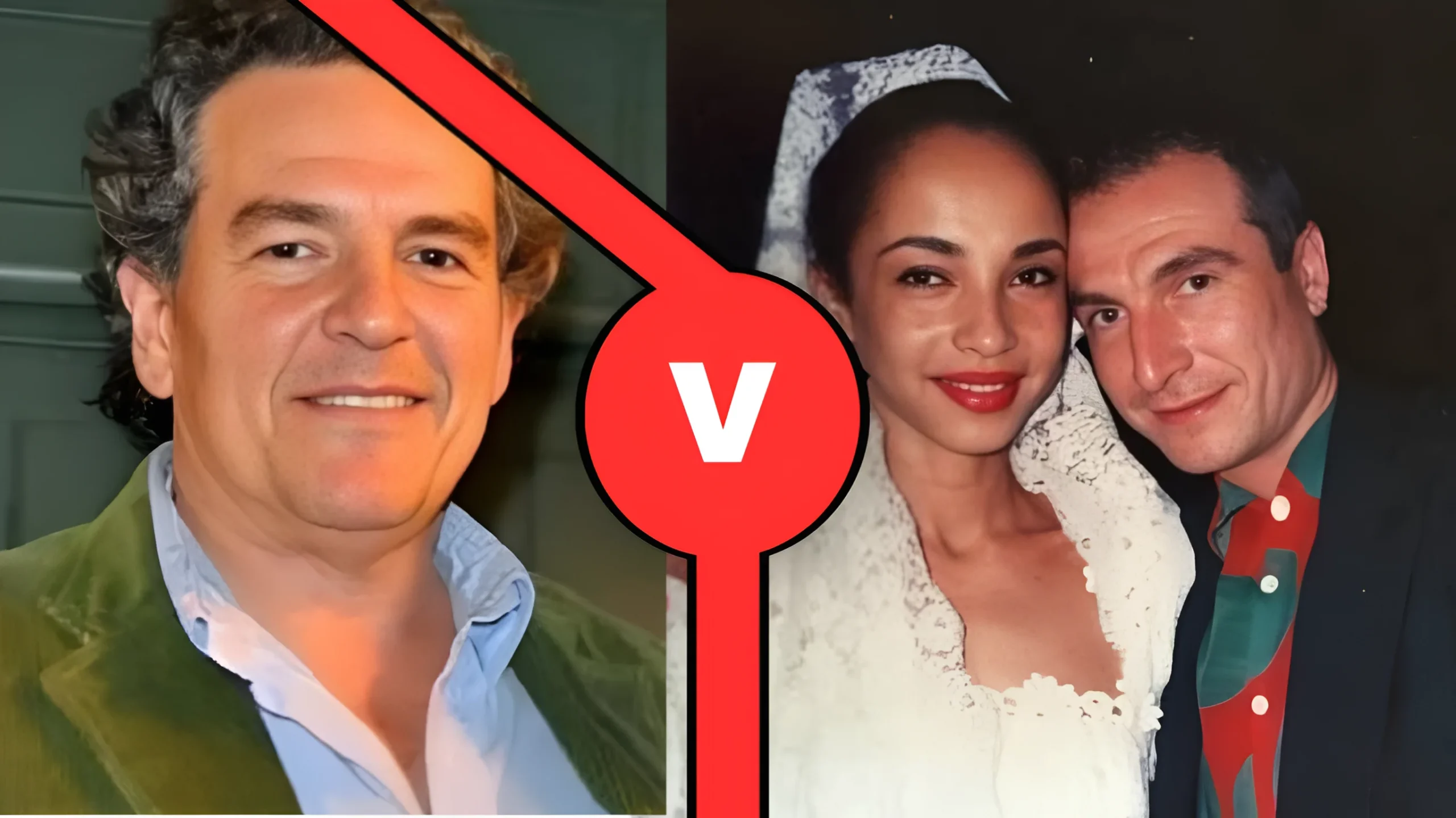
Carlos Scola Pliego is a Spanish filmmaker known for his work behind the camera and his former marriage to internationally acclaimed singer Sade Adu. Although his name frequently appears in searches about the singer’s personal life, his professional background is an important part of understanding who he is. His work in film production, assistant directing, writing, and documentary filmmaking offers a broader picture than celebrity relationship stories alone.
Unlike performers who regularly appear in interviews, television programmes, and public events, Scola Pliego has maintained a relatively private public profile. Consequently, information about his personal background is limited, while his professional film credits provide a clearer record of his activities.
Interest in Carlos Scola Pliego often comes from three questions: what kind of filmmaker he was, how he became connected to Sade Adu, and what is known about his life outside that relationship. Exploring these questions helps separate documented information from assumptions that circulate online.
His story also illustrates an interesting aspect of the entertainment industry. Not everyone connected with an internationally recognised artist seeks public attention. Some individuals build their careers in less visible roles, contributing to creative projects without becoming household names themselves.
Carlos Scola Pliego’s Early Life and Background
The early life of Carlos Scola Pliego is not extensively documented in publicly available biographical information. Although he is identified as Spanish, detailed information about his date of birth, childhood, parents, siblings, and education is not firmly established in reliable public records.
This limited information makes it important to approach his biography carefully. Online profiles sometimes provide precise personal details without explaining how those details were verified. Repeating such claims can create a misleading picture of a person whose private background has never been comprehensively documented.
What Is Known About His Childhood?
There is no sufficiently established public account that explains Scola Pliego’s childhood in detail. Information about the schools he attended, his family circumstances, and the experiences that influenced his early interests remains limited.
His later professional activities demonstrate that he became involved in filmmaking, but they do not establish exactly how that interest began. It would therefore be inappropriate to invent stories about childhood ambitions, family encouragement, or formative experiences.
For readers interested in his background, the most useful starting point is the professional record that can be associated with his name. Film credits offer concrete information about the projects he worked on and the responsibilities he undertook.
Did Carlos Scola Pliego Study Film?
A detailed, reliably documented educational history is not readily available. There is insufficient confirmed information to identify a particular university, film school, or formal qualification as part of his background.
However, his professional credits demonstrate experience in different areas of film production. Work in assistant directing and related departments requires an understanding of how productions are organised, how crews coordinate their responsibilities, and how filming schedules are managed.
That experience is worth examining independently of assumptions about formal education. A person’s professional record can reveal the type of work they performed even when the details of their training remain unknown.
Carlos Scola Pliego’s Career in the Film Industry
Carlos Scola Pliego’s filmmaking career is one of the most substantial documented parts of his public profile. He is associated with several film and television productions, particularly projects from the early 1980s, and later became known for directing and writing documentary films.
Film professionals frequently contribute to productions without receiving the recognition given to actors or leading directors. Assistant directors, script supervisors, and other production specialists help translate creative plans into practical work. Their responsibilities can influence how efficiently a production operates and how consistently scenes are filmed.
Scola Pliego’s professional history includes several behind-the-scenes roles. His credits are also associated with the shorter professional name Carlos Scola, which is useful to remember when exploring his filmography.
Early Work and Production Experience
Scola Pliego’s recorded film work includes projects from the early 1980s, a period when Spanish cinema and international productions offered opportunities for professionals working across different production departments.
Among the titles associated with his career are Dos y dos, cinco, Black Commando, Hundra, G’olé!, Never Say Never Again, and Curse of the Pink Panther. These projects represent different kinds of productions and demonstrate the range of films connected with his professional record.
His involvement in filmmaking should not be confused with starring in these movies. Much of his work was behind the scenes, where the responsibilities of individual crew members are essential to the finished production but less visible to audiences.
For people researching his career, this distinction is important. A filmography can include numerous contributions without suggesting that the individual directed or produced every title listed.
Understanding His Work as an Assistant Director
Assistant directing is an important part of film production. The role generally involves helping organise the filming schedule, coordinating activities on set, communicating with departments, and supporting the director’s production plan.
Assistant directors do not necessarily determine a film’s artistic direction. Instead, they help make the planned production achievable within practical constraints such as time, location, personnel, and equipment.
Working in this area can provide insight into how films are assembled from many separate tasks. It requires organisation, communication, attention to detail, and the ability to respond when circumstances change.
Scola Pliego’s association with assistant-directing work helps explain why his career should be considered beyond the limited public attention generated by his personal relationships. His professional identity was connected to the practical side of filmmaking as well as later creative responsibilities.
From Production Work to Documentary Filmmaking
Another notable part of Scola Pliego’s career is his association with documentary projects. His directing and writing credits include Ngira: Gorilas en la montaña and Donde termina el corazón, both released in the late 1980s.
Documentary filmmaking differs from conventional narrative filmmaking in several important ways. Instead of building an entire story around fictional characters and scripted events, documentaries explore real subjects, places, people, and experiences.
This approach can involve extensive planning, location work, filming in challenging environments, and decisions about how to organise recorded material into a coherent narrative.
The documentary titles associated with Scola Pliego suggest an interest in subjects beyond conventional entertainment productions. They also offer a useful starting point for readers who want to explore his own creative work rather than focus exclusively on his marriage.
Notable Films and Documentary Projects
Examining individual projects provides a clearer understanding of Carlos Scola Pliego’s career. His production-related credits and his documentary work represent different aspects of filmmaking, from contributing to established productions to taking on greater creative responsibility.
Never Say Never Again
Never Say Never Again is a James Bond film released in 1983. It is among the international productions associated with Scola Pliego’s professional film record.
The film is known for bringing Sean Connery back to the role of James Bond after his earlier appearances in the official Eon-produced series. Its production history differs from that of the main Bond franchise, making it a notable title in the wider history of the character.
For readers researching Scola Pliego, the relevance of this film lies in its place within his recorded professional experience. It is an example of the international productions connected with his name rather than evidence that he was a leading performer or the film’s principal creative force.
Curse of the Pink Panther
Released in 1983, Curse of the Pink Panther belongs to the long-running comedy franchise associated with the Pink Panther character.
The movie continued the series after the earlier films featuring Inspector Clouseau. Its connection to Scola Pliego’s professional history adds another example of the variety of productions associated with his work.
Projects of this kind involve coordination among numerous departments, including directing, camera operations, set preparation, and continuity. Behind-the-scenes professionals help ensure that the separate elements of a production come together effectively.
Christopher Columbus
The television miniseries Christopher Columbus, released in 1985, is another title associated with Scola Pliego’s film and television work.
Historical productions often involve complex requirements, including period settings, costumes, locations, and large casts. Their production processes can differ considerably from those of smaller contemporary dramas.
The title helps illustrate the range of productions connected with Scola Pliego’s professional record. Nevertheless, individual responsibilities should be described according to the relevant credits rather than assumed from the presence of a name in a production listing.
Ngira: Gorilas en la montaña
Ngira: Gorilas en la montaña is a documentary short released in 1988 and associated with Scola Pliego as a director and writer.
The title indicates a focus on gorillas and mountain environments, placing the project within the broad tradition of wildlife and nature documentary filmmaking. Such documentaries can help audiences learn about animals and their surroundings through recorded images and narrative presentation.
Wildlife filmmaking also raises practical challenges. Filmmakers may need to work in remote locations, adapt to unpredictable environmental conditions, and plan carefully around the behaviour of the animals being filmed.
The project is significant because it represents a more direct creative contribution than simply appearing in the production credits of another film. It gives readers a specific title to investigate when exploring Scola Pliego’s work as a filmmaker.
Donde termina el corazón
Donde termina el corazón, released in 1989, is another documentary associated with Scola Pliego as a director and writer.
Its title translates approximately into English as “Where the Heart Ends.” The project is associated with African settings and provides another example of his documentary work during the late 1980s.
Documentary films about places and communities can introduce audiences to environments they may never experience personally. Their effectiveness depends on the quality of the material, the context provided, and the choices made when shaping the final narrative.
The film is particularly relevant to readers interested in Scola Pliego’s creative output because it provides evidence of his work beyond assistant directing. It also illustrates why a discussion of his career should include documentary filmmaking rather than concentrating solely on his celebrity connection.
Carlos Scola Pliego and Sade Adu
One of the main reasons people search for Carlos Scola Pliego is his former marriage to Sade Adu, the internationally recognised singer known professionally as Sade.
Sade became famous for her distinctive voice and understated musical style. Her work combines elements of soul, jazz, pop, and smooth jazz, creating a sound that has remained recognisable across generations.
Her international profile has naturally attracted interest in her personal life. As a result, people sometimes discover Scola Pliego through searches about Sade rather than through film history.
Their relationship is a documented part of his public biography, but it should not be treated as the only meaningful aspect of his life.
When Did Carlos Scola Pliego Marry Sade Adu?
Carlos Scola Pliego and Sade Adu married in 1989. Their marriage is among the most frequently discussed details in biographical accounts of both individuals.
Although the marriage is a public fact, detailed information about the couple’s private life is more limited. It is important to distinguish the existence and timeline of the relationship from claims about its personal dynamics.
Public curiosity can encourage websites to fill gaps with dramatic explanations. However, without reliable documentation or direct statements, those explanations should not be presented as established history.
How Did Their Different Careers Shape Public Interest?
Sade built an international career in music, performing for audiences across different countries and releasing widely recognised recordings. Her professional life placed her in a highly visible position within popular culture.
Scola Pliego, by comparison, worked primarily behind the camera. Film production can be a demanding profession without providing the same level of personal recognition associated with international recording artists.
This difference in public visibility helps explain why their relationship continues to attract attention. People often want to understand the lives of individuals connected to famous performers, particularly when those individuals have maintained a comparatively low profile.
However, public recognition is not a reliable measure of professional importance. Behind-the-scenes film workers make contributions that are essential to the industry, even when their names are unfamiliar to most viewers.
When Did Their Marriage End?
The couple’s marriage is generally recorded as having ended in divorce in 1995.
Beyond the broad timeline, detailed explanations of their separation should be approached cautiously. Without reliable public evidence, it would be misleading to assign blame, invent disagreements, or claim to know the private circumstances that led to the end of their marriage.
A responsible biography can acknowledge the relationship and its conclusion without speculating about intimate matters.
This approach is particularly important when writing about people whose private lives have not been extensively documented through interviews or first-hand accounts.
Did Carlos Scola Pliego and Sade Adu Have Children?
Questions about children are common in searches related to celebrity relationships. However, publicly available biographical information does not provide a sufficiently clear basis for making detailed claims about Scola Pliego’s family life or identifying children as part of his relationship with Sade.
It is important not to confuse information about Sade’s later family life with assumptions about her earlier marriage. Details associated with one relationship should not automatically be attributed to another.
Where reliable information is limited, the most accurate approach is to acknowledge that limitation rather than supply names, dates, or family circumstances without confirmation.
This distinction also respects the privacy of people who are not public figures in their own right.
What Is Known About Carlos Scola Pliego’s Life After Divorce?
Carlos Scola Pliego’s activities after his divorce from Sade Adu are not comprehensively documented in widely available public biographies.
Some film records connect the professional name Carlos Scola with later production work, including Goal II: Living the Dream, released in 2007. Such credits provide evidence of a continuing association with the film industry, although they do not establish every detail of his professional or personal life during that period.
It would be inaccurate to use the limited public record to construct a detailed account of his later years. Information about his current residence, relationships, daily activities, and personal circumstances is not firmly established in the available biographical record.
This lack of information does not necessarily indicate that a person has withdrawn completely from professional life. It may simply reflect the fact that not everyone maintains a public profile or regularly shares personal updates.
For readers, the distinction is useful: a documented film credit can establish involvement in a production, but it cannot independently explain what someone has done throughout every year since.
Carlos Scola Pliego’s Net Worth and Financial Background
Carlos Scola Pliego’s net worth is not reliably established through publicly documented financial information.
Online biography pages sometimes attach precise wealth estimates to people associated with the entertainment industry. These figures can appear convincing when presented in tables or repeated across websites, but repetition does not demonstrate accuracy.
Calculating a filmmaker’s wealth would require information about income, assets, liabilities, investments, property, and other financial circumstances. Most of these details are private, and professional credits alone do not reveal them.
It is therefore more accurate to state that a dependable public estimate is unavailable than to assign an unsupported figure.
His work across film production and documentary filmmaking establishes a professional history, but it does not provide sufficient evidence to determine his personal wealth.
Why Is Carlos Scola Pliego Still a Popular Search Topic?
Interest in Carlos Scola Pliego comes from the intersection of entertainment history, celebrity relationships, and curiosity about relatively private individuals.
His Connection to an International Music Star
Sade’s enduring popularity continues to introduce new listeners to her music. As people explore her biography, they may also search for information about her former husband.
This creates continuing interest in Scola Pliego, even though he has not maintained the same public profile as the singer.
His Work Behind the Camera
His film credits provide another reason to explore his biography. Readers interested in cinema may want to identify the productions he worked on, understand his responsibilities, or learn more about his documentary projects.
The film industry depends on many professionals whose contributions are not immediately visible to audiences. Looking at their careers offers a broader understanding of how movies are made.
The Limited Information About His Personal Life
The relative lack of detailed biographical information can itself encourage searches. When readers find only brief accounts of a person’s life, they may continue looking for reliable explanations of their background, career, and later activities.
However, gaps in the public record should not automatically be filled with speculation. Sometimes the most accurate conclusion is simply that a detail has not been established publicly.
Separating Established Facts From Online Speculation
Carlos Scola Pliego’s biography demonstrates why online research requires careful judgment. Some information about his professional work and marriage is documented, while other personal details remain uncertain.
Readers should pay particular attention to claims about his exact age, birthplace, education, family background, net worth, and current residence. Specific figures and confident statements do not necessarily indicate that the information has been verified.
A useful distinction is to separate three categories of information.
First, documented facts: These include his identification as a Spanish filmmaker, his association with several film productions, his documentary work, and his 1989 marriage to Sade Adu.
Second, reasonable professional context: Explanations of assistant directing, documentary production, and the organisation of film crews can help readers understand the nature of his work. These explanations describe the industry generally and should not be confused with personal details about Scola Pliego.
Third, unconfirmed personal claims: Exact biographical details and explanations of private events should not be treated as facts without dependable evidence.
Maintaining these distinctions makes a biography more useful. It gives readers meaningful information while avoiding the false certainty that can arise when unsupported claims are repeated.
Frequently Asked Questions
Who is Carlos Scola Pliego?
Carlos Scola Pliego is a Spanish filmmaker associated with assistant directing, writing, directing, and other film production work. He is also known as the former husband of singer Sade Adu.
What is Carlos Scola Pliego famous for?
He is widely recognised because of his former marriage to Sade Adu. His professional background also includes film and documentary projects, including Ngira: Gorilas en la montaña and Donde termina el corazón.
Is Carlos Scola Pliego a film director?
Yes. His professional credits include directing and writing documentary projects, in addition to work in assistant directing and other production roles.
What films did Carlos Scola Pliego work on?
Titles associated with his professional record include Never Say Never Again, Curse of the Pink Panther, Hundra, Christopher Columbus, Ngira: Gorilas en la montaña, and Donde termina el corazón. His specific role varied by production.
Was Carlos Scola Pliego married to Sade Adu?
Yes. Carlos Scola Pliego and Sade Adu married in 1989. Their marriage is generally recorded as ending in divorce in 1995.
Why did Carlos Scola Pliego and Sade Adu divorce?
A definitive, well-documented public explanation of the private circumstances surrounding their divorce is not established here. Claims about the reasons for their separation should not be treated as facts without reliable evidence.
How old is Carlos Scola Pliego?
His exact date of birth and age have not been reliably established in the available biographical information. Precise ages published without supporting evidence should be treated cautiously.
What is Carlos Scola Pliego’s net worth?
No dependable public figure establishes his net worth. Film credits and professional history alone are insufficient to calculate an individual’s personal wealth.
What happened to Carlos Scola Pliego after his divorce?
His later personal life is not comprehensively documented. Some professional records associate Carlos Scola with later film work, but a detailed account of his current activities and circumstances is not publicly established.
Is Carlos Scola Pliego still involved in filmmaking?
His recorded filmography includes work from different periods, but the available information does not establish his current professional activities. It is best to distinguish historical credits from claims about what he is doing today.
Conclusion
Carlos Scola Pliego is a Spanish filmmaker whose public biography combines a documented history of film production with a comparatively private personal life. His association with Sade Adu brought his name to a wider audience, but his professional background deserves attention in its own right.
His work across assistant directing and documentary filmmaking demonstrates involvement in different parts of the film industry. Projects such as Ngira: Gorilas en la montaña and Donde termina el corazón offer particularly useful starting points for understanding his creative work beyond his celebrity connection.
At the same time, many details about his early life, family, finances, and current circumstances remain uncertain. A careful biography should not disguise those gaps with invented information or unsupported conclusions.
The most balanced understanding of Carlos Scola Pliego recognises both the work that can be documented and the personal details that remain private. By separating established information from speculation, readers can gain a clearer picture of a filmmaker whose name continues to attract interest through both cinema history and his connection to one of music’s most recognisable artists.
RELATED POST: Who Is Keilani Bautista? Inside the Life of Dave Bautista’s Eldest Daughter