
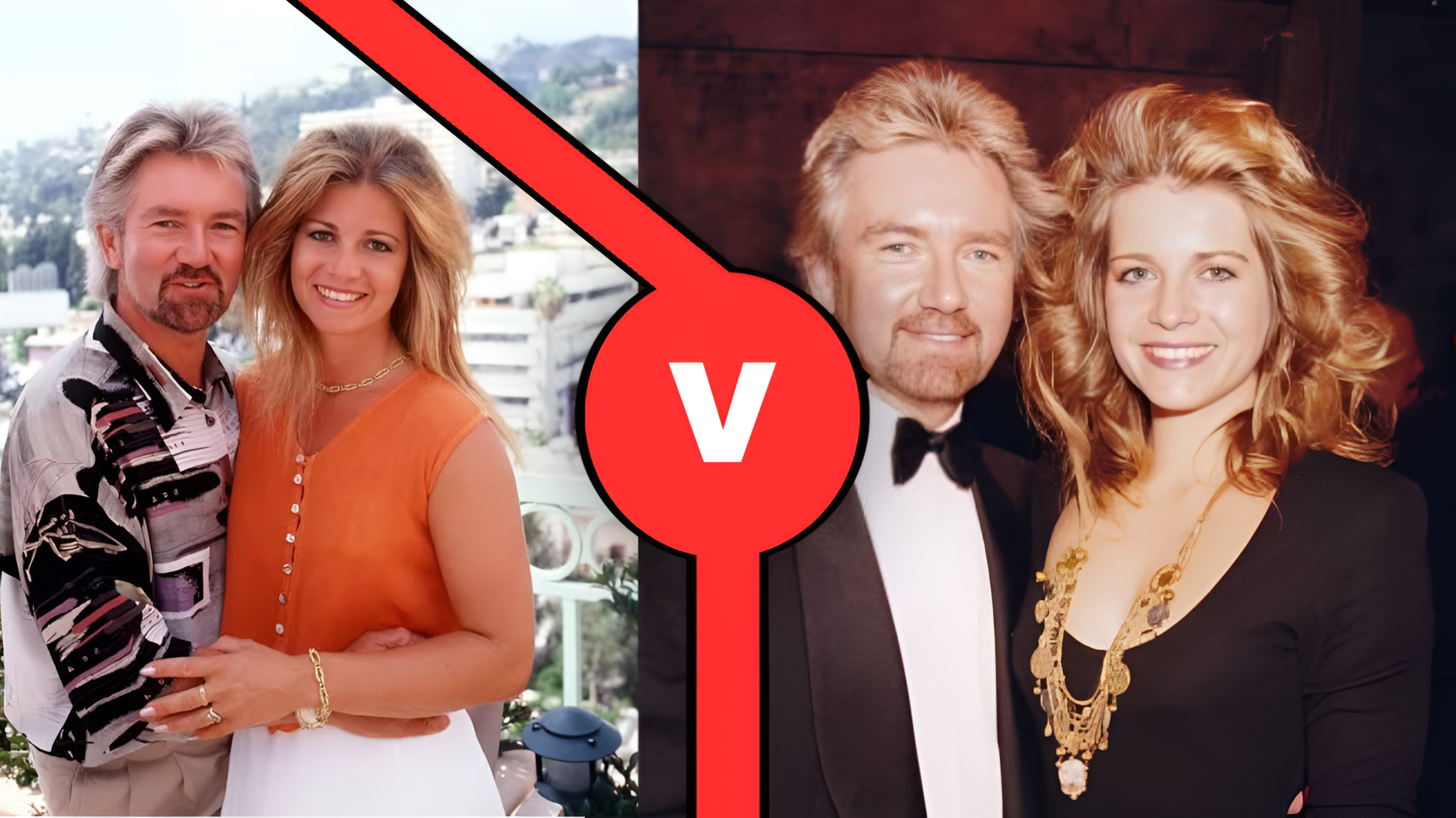
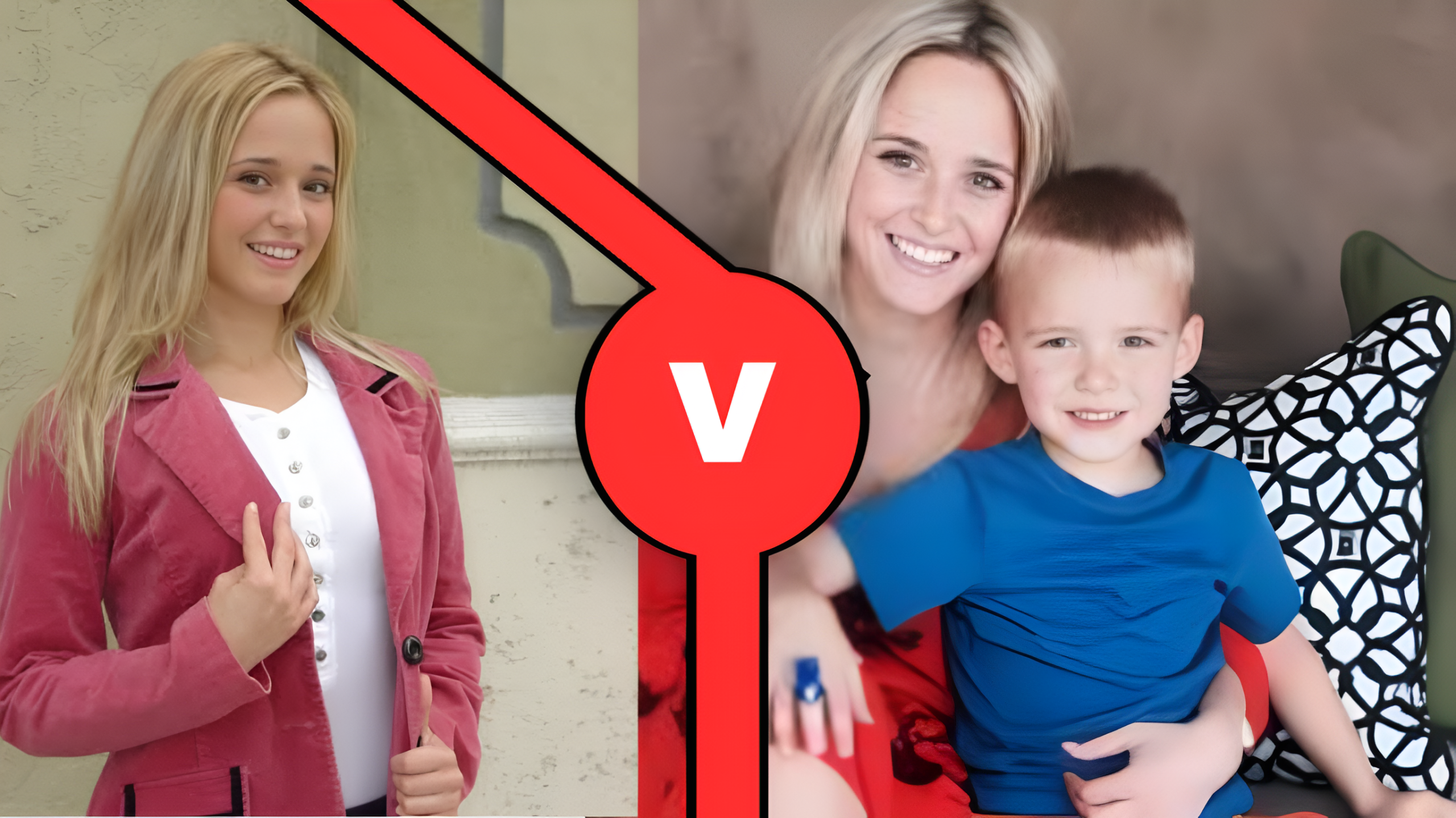






Heidi Van Pelt is an American food entrepreneur who became widely known through her relationship with former child actor Taran Noah Smith, best remembered for playing Mark Taylor on the television sitcom Home Improvement. Although their relationship attracted considerable media attention in the early 2000s, Van Pelt’s own professional interests extended into nutrition, plant-based cooking, catering, and small-business ownership.
One of the most significant chapters of her public life was her involvement in Playfood, a venture associated with dairy-free food products, including cashew-based cheese alternatives. She later became known in Kansas City through Füd, a restaurant that explored creative approaches to vegan comfort food.
Her story brings together entrepreneurship, changing food preferences, celebrity culture, and the challenges of maintaining a professional identity under public scrutiny. It also illustrates why a person’s biography should not be reduced to their relationship with a famous partner.
Despite the attention she received during her marriage and business ventures, much of Van Pelt’s personal life remains private. Understanding her story therefore requires distinguishing documented professional activities from details that are uncertain or unavailable.
Who Is Heidi Van Pelt?
Heidi Van Pelt is best known publicly as a vegan food entrepreneur and the former spouse of Taran Noah Smith. Her name became familiar to entertainment audiences because their relationship attracted attention beyond the usual coverage of a celebrity marriage.
However, her professional background offers another perspective. Van Pelt explored nutrition-related work, food preparation, catering, and business development. These interests eventually became associated with plant-based products and restaurant dining.
Her work is particularly interesting when considered in the context of the American food industry during the early 2000s. Vegan products were available, but many consumers still had limited access to the wide selection of alternatives found in modern supermarkets and restaurants. Small businesses experimenting with new ingredients and recipes helped introduce different approaches to familiar foods.
Van Pelt’s involvement in this field placed her within a broader movement toward dairy-free alternatives and plant-based cooking. Her public profile was never as straightforward as that of a traditional celebrity chef, however. Much of the attention surrounding her career was connected to her personal relationship and the business they developed together.
For readers looking up Heidi Van Pelt today, the most useful starting point is to understand both sides of her public identity: her connection to entertainment headlines and her independent involvement in food entrepreneurship.
Early Life and Educational Background
Information about Van Pelt’s childhood, family circumstances, and early experiences is limited in widely available public accounts. Although several online biographies provide detailed descriptions of her upbringing and education, those details are not consistently supported by strong, independently verifiable information.
Consequently, it is better not to present a precise childhood timeline, family history, or list of academic qualifications as established fact.
What becomes more relevant when examining her later career is her interest in nutrition, food preparation, and alternative approaches to eating. These interests helped shape the professional direction associated with her name.
Nutrition can encompass several different fields, including formal dietetics, food education, culinary practice, and general wellness. These areas overlap, but they are not interchangeable. A person who prepares plant-based meals or advises customers about ingredients should not automatically be described as a licensed dietitian or medical professional.
This distinction matters when reading biographies of people whose careers have not been extensively documented. Professional labels can become exaggerated as information passes between websites.
Van Pelt’s most clearly identifiable public work is connected to food businesses and vegan cooking. Those activities provide a more dependable basis for understanding her career than unverified claims about her education or early ambitions.
Heidi Van Pelt’s Interest in Nutrition and Plant-Based Food
Plant-based cooking became an important part of Van Pelt’s professional identity. Rather than focusing exclusively on conventional restaurant meals, her work explored alternatives for people who wanted to avoid animal-derived ingredients.
Vegan cooking excludes meat, fish, dairy products, eggs, and other animal-derived ingredients. Preparing satisfying meals within those boundaries requires more than simply removing meat from a recipe. Cooks often need to reconsider texture, flavor, protein sources, fats, and the ingredients that give familiar dishes their characteristic qualities.
Dairy-free cheese is a particularly useful example. Traditional cheese depends on the properties of milk, including its proteins and fats, to create different textures and flavors. Plant-based alternatives must use other ingredients to approximate some of those characteristics.
Cashews became relevant to Van Pelt’s food work because they can be blended into a creamy base. Depending on the recipe, they can contribute richness and a smooth texture to spreads, sauces, and cheese-style preparations.
This approach reflects a larger principle in alternative cooking: familiar foods can sometimes be recreated through different ingredients and techniques rather than abandoned altogether.
For consumers, such experimentation can make dietary changes more approachable. Someone who enjoys creamy sauces or cheese-based dishes may find it easier to explore plant-based eating when appealing alternatives are available.
However, the quality of a vegan product depends on its ingredients, preparation, taste, and intended use. Plant-based does not automatically mean nutritionally complete, healthier in every respect, or suitable for every dietary requirement.
Van Pelt’s work is best understood as part of the culinary experimentation that helped expand the range of options available to people interested in vegan food.
Playfood: The Business Behind Her Public Profile
One of the most notable professional ventures associated with Van Pelt was Playfood, a business she developed with Taran Noah Smith.
The venture focused on vegan food and became associated with cashew-based cheese alternatives and catering. Van Pelt was identified as the company’s president, while Smith held the chairman and chief executive roles when the business was incorporated in 2002.
Playfood sought to turn an interest in alternative food into a commercial operation. This involved more than developing recipes. A food business must consider sourcing ingredients, preparing products consistently, communicating its value to customers, and finding ways to reach people who may be unfamiliar with its offerings.
Catering and promotional food events can provide a way for a small business to introduce its products directly to potential customers. Instead of relying entirely on packaged goods sold through established retailers, entrepreneurs can allow people to sample dishes and experience unfamiliar ingredients in prepared meals.
For a venture centered on vegan food, this approach can be particularly useful. Customers who have never tried cashew-based cheese may understand its appeal more easily after tasting it in a dish than after reading a product description.
Playfood also reflected the challenges that arise when a personal partnership and a commercial venture overlap. When two people share a relationship and operate a business together, they must manage not only daily business responsibilities but also questions about ownership, decision-making, money, and long-term direction.
Those issues can become more complicated when the relationship itself changes.
Playfood remains an important part of Van Pelt’s public biography because it demonstrates that her activities extended beyond her connection to television celebrity culture. It gave her a recognizable role in a business focused on alternative food products.
Nevertheless, the available public record does not establish every detail of the company’s later ownership, financial performance, or ultimate business outcome. It is therefore more accurate to describe its documented activities than to make unsupported claims about its success or failure.
Heidi Van Pelt and Taran Noah Smith
Van Pelt’s relationship with Taran Noah Smith was the main reason her name became widely recognized outside food-related circles.
Smith became famous as a child actor on Home Improvement, the American sitcom that aired from 1991 to 1999. He played Mark Taylor, the youngest son in the fictional Taylor family.
Growing up in the entertainment industry can create unusual circumstances. Young performers may become publicly recognizable before reaching adulthood, while their private lives receive attention that most people never experience.
Smith’s relationship with Van Pelt attracted attention partly because of their age difference and the circumstances surrounding his transition from child actor to adult.
They married in 2001, when Smith was 17 according to widely reported accounts. The relationship attracted criticism and public debate, with the age difference becoming a frequent subject of entertainment coverage.
The attention was not limited to the relationship itself. Smith’s financial circumstances and disagreements involving his family also formed part of the wider public discussion surrounding this period of his life.
It is important, however, to distinguish public reporting from assumptions about private motivations. A relationship’s age difference can explain why it attracts attention, but it does not independently establish what either person intended or believed.
Likewise, the timing of a marriage alongside business activity does not automatically prove that the relationship was motivated by money or commercial interests.
A balanced biography can acknowledge why the relationship generated controversy without presenting unproven interpretations as facts.
Their Marriage and the Public Controversy
Van Pelt and Smith’s marriage became a recurring subject in celebrity coverage because it brought together a former child star, a significant age difference, and questions about his personal and financial independence.
At the time, Smith was already associated with a successful television series. That recognition made his private decisions more newsworthy than those of someone without an entertainment background.
The public conversation also reflected wider concerns about the pressures young performers can face as they move from childhood into adulthood. Families, careers, money, and personal relationships may all become intertwined during that transition.
Nevertheless, a person’s childhood fame does not mean that every later decision should be interpreted solely through their former career. Smith’s life after Home Improvement included interests outside acting, while Van Pelt pursued food-related work that was distinct from television production.
Their relationship eventually ended. Reports place their divorce proceedings in 2007, after several years of marriage.
The circumstances surrounding the separation attracted further attention because of disagreements connected to their business interests and competing accounts of their personal relationship.
When discussing a contentious separation, it is important not to treat every allegation reported in entertainment coverage as an established fact. Accounts from former partners may differ, and the existence of a public dispute does not resolve every question about what occurred privately.
The most reliable overview is that their marriage became highly publicized, the relationship ended, and their shared business interests formed part of the wider story associated with their separation.
Life Beyond the Relationship
One of the most overlooked aspects of Van Pelt’s biography is her continued association with food entrepreneurship outside the period when her marriage attracted the most attention.
A person’s professional identity can become overshadowed when they are connected to a recognizable public figure. Once a relationship becomes a headline, later achievements may receive less coverage than the original controversy.
This can create an incomplete picture for readers. Someone may be remembered mainly as a former spouse even when their work involves separate skills, responsibilities, and commercial ambitions.
Van Pelt’s later restaurant work provides an example of why the distinction matters.
After her years in California and her involvement with Playfood, she became associated with Kansas City’s vegan dining scene. Her work at Füd gave her another opportunity to develop plant-based dishes for customers.
This transition was significant because running a restaurant presents different challenges from operating a small packaged-food or catering business. Restaurant owners must consider menus, staffing, ingredient availability, kitchen operations, customer expectations, and the financial realities of maintaining a physical location.
A distinctive menu can help a restaurant establish its identity, but long-term viability also depends on practical business decisions.
Van Pelt’s association with Füd therefore represents a separate chapter in her public career rather than merely an extension of her earlier celebrity-related coverage.
Füd: Bringing Vegan Comfort Food to Kansas City
Füd was a vegan restaurant in Kansas City associated with Van Pelt, who was identified as its chef-owner.
The restaurant’s approach centered on making plant-based meals approachable and enjoyable rather than presenting vegan dining as a narrow category of health food.
That distinction is important in understanding how alternative restaurants can attract customers. People may choose a restaurant because they follow a particular diet, but they may also visit because they enjoy inventive cooking, welcoming service, or familiar dishes prepared in a new way.
Vegan comfort food applies plant-based ingredients and cooking methods to meals traditionally associated with richer, familiar flavors. The aim is not necessarily to reproduce every aspect of a conventional dish exactly. Instead, the cook can retain elements such as texture, seasoning, presentation, and the overall experience of the meal.
For example, plant-based menus can reinterpret burgers, tacos, pasta dishes, and creamy sauces using ingredients that do not contain animal products. Vegetables, legumes, nuts, grains, and alternative proteins can all contribute to the final result.
Füd attracted local attention for its creative vegan menu. Its existence also reflected a growing interest in dining options that accommodated different food preferences without requiring customers to give up the pleasure of eating out.
The restaurant’s history shows how local businesses can contribute to changing food culture. Large manufacturers and national chains are not the only organizations experimenting with new products. Independent restaurants can introduce unfamiliar ingredients and techniques to customers in a direct, practical setting.
Füd operated in Kansas City until its closure in 2017. Although the restaurant is no longer operating, it remains a notable part of Van Pelt’s publicly documented professional story.
Its significance lies less in claims about extraordinary commercial success and more in the practical work of building a distinctive food business around plant-based cooking.
What Made Her Food Ventures Distinctive?
Van Pelt’s association with Playfood and Füd reveals several themes that help explain her professional identity.
Experimentation with ingredients
Cashew-based cheese alternatives illustrate how familiar culinary experiences can be approached through different ingredients. This type of experimentation requires an understanding of texture, flavor, and preparation.
A focus on accessible vegan meals
Vegan food can sometimes be perceived as restrictive by people unfamiliar with it. A restaurant offering recognizable comfort-food dishes can help challenge that assumption by demonstrating the variety available within plant-based cooking.
Moving between business formats
Playfood was associated with food products and catering, while Füd operated as a restaurant. Although both involved food, they required different approaches to customer service, preparation, and daily operations.
Working in a changing market
The plant-based food industry has continued to evolve, with more consumers encountering dairy alternatives and vegan menu options. Van Pelt’s earlier ventures formed part of a period when independent entrepreneurs were exploring how to make these foods commercially appealing.
These points provide a more meaningful understanding of her career than simply describing her as a celebrity’s former spouse.
At the same time, the public record does not establish that her ventures alone transformed the vegan food industry. Their importance should be considered in the context of a much broader movement involving chefs, producers, restaurants, and consumers.
Where Is Heidi Van Pelt Today?
One of the most common questions about Heidi Van Pelt concerns her current life and professional activities.
Unlike people who maintain public careers through television appearances, regular interviews, or official business announcements, Van Pelt has a limited recent public profile.
The closure of Füd in 2017 marks a useful point in the publicly documented timeline, but it does not establish what she has done in every subsequent year.
There is insufficient dependable public information to identify her current employer, confirm whether she operates another food business, or provide a detailed account of her day-to-day life.
Some online biographies offer confident descriptions of her present occupation and location. However, unless those claims are supported by reliable, recent information, they should not be treated as confirmed.
The absence of frequent public appearances also does not necessarily indicate that someone has stopped working. People may change careers, operate small businesses privately, or choose not to share their professional activities with the media.
Van Pelt’s current circumstances are best described as largely private. That answer may be less dramatic than a detailed celebrity update, but it avoids turning uncertainty into invented biography.
Heidi Van Pelt’s Net Worth and Financial Privacy
Another frequently searched topic is Heidi Van Pelt’s net worth.
There is no sufficiently reliable public financial information to establish her personal wealth with confidence. Online estimates should therefore be approached cautiously, particularly when they provide precise figures without explaining their methodology.
Calculating an individual’s net worth requires more than knowing their former occupation or identifying businesses they have operated. A meaningful calculation would need information about assets, liabilities, property, business interests, investments, and other relevant financial circumstances.
Owning or managing a restaurant does not automatically mean that a person accumulated substantial wealth. Food businesses face operating costs that can include rent, employee wages, equipment, ingredients, insurance, taxes, and maintenance.
Similarly, participation in a business venture does not establish how much an individual personally earned from it.
Van Pelt’s association with Playfood and Füd demonstrates involvement in food entrepreneurship, but it does not reveal her present financial position.
For this reason, any specific net-worth figure attributed to her should be considered unverified unless supported by credible financial documentation.
Why Heidi Van Pelt’s Story Still Attracts Interest
Van Pelt continues to attract searches because her biography connects several subjects that remain relevant to readers.
First, her marriage to a former child actor links her to a familiar television era. People who remember Home Improvement may search for information about the show’s cast and their lives after the series ended.
Second, her relationship generated controversy because of the age difference and the wider circumstances surrounding Smith’s transition into adulthood. That history remains part of the public record, although it should not be used to justify unsupported assumptions about either individual.
Third, her work with plant-based food businesses provides an independent professional angle. Readers interested in vegan cooking, alternative cheese products, and the history of plant-based restaurants may find this chapter relevant beyond the celebrity connection.
Finally, her relatively low public profile creates unanswered questions. The challenge for a responsible biography is to explain what is known without manufacturing details simply because readers are curious.
Taken together, these elements make Van Pelt’s story more complex than the short descriptions often associated with celebrity searches.
Conclusion
Heidi Van Pelt is a food entrepreneur whose public story extends beyond her marriage to former Home Improvement actor Taran Noah Smith.
Her involvement with Playfood connected her to early commercial efforts involving vegan food and cashew-based cheese alternatives. Her later work with Füd brought plant-based comfort food to Kansas City’s restaurant scene and provided another example of her interest in alternative cooking.
Her marriage and subsequent separation attracted considerable media attention, sometimes overshadowing these professional activities. A balanced account should acknowledge that public history while avoiding unsupported claims about personal motivations, finances, or private relationships.
Füd’s closure in 2017 provides a documented endpoint for an important part of her restaurant career. Her activities since then are less clearly established, and her current professional and personal circumstances remain largely private.
Ultimately, the most useful way to understand Heidi Van Pelt is to consider both her highly publicized personal history and her work in food entrepreneurship. The available information supports a meaningful account of those chapters without requiring speculation about the parts of her life she has not made public.
Frequently Asked Questions
Who is Heidi Van Pelt?
Heidi Van Pelt is an American food entrepreneur associated with vegan cooking, the Playfood business, and Füd restaurant in Kansas City. She also became widely known through her marriage to former child actor Taran Noah Smith.
Why is Heidi Van Pelt famous?
She became a subject of entertainment coverage because of her relationship with Smith. Her professional activities in vegan food and restaurant entrepreneurship are another important part of her public biography.
Was Heidi Van Pelt married to Taran Noah Smith?
Yes. They married in 2001 according to widely reported accounts, and their relationship later ended. Divorce proceedings were reported in 2007.
What is the age difference between Heidi Van Pelt and Taran Noah Smith?
Van Pelt was reported to be approximately 16 years older than Smith. Their age difference was one of the main reasons their relationship attracted public attention.
What was Playfood?
Playfood was a vegan food venture associated with Van Pelt and Smith. It became known for dairy-free products, including cashew-based cheese alternatives, as well as catering activities.
What was Füd restaurant?
Füd was a vegan restaurant in Kansas City associated with Van Pelt as its chef-owner. It served creative plant-based interpretations of familiar meals and closed in 2017.
Is Heidi Van Pelt a professional chef?
She has been publicly identified as a chef and food entrepreneur through her restaurant work. However, detailed information about formal culinary qualifications is not sufficiently established to make broader claims about her training.
Did Heidi Van Pelt appear on Home Improvement?
She is not known for an acting role on Home Improvement. Her connection to the series comes from her relationship with Smith, who played Mark Taylor.
Does Heidi Van Pelt have children?
Public reporting has associated Van Pelt with a child during her later personal life, but detailed information about her family should be treated cautiously. Reliable, comprehensive records of her current family circumstances are limited.
What is Heidi Van Pelt’s net worth?
Her net worth has not been reliably established. Online estimates should not be treated as verified financial information.
Where is Heidi Van Pelt now?
Her current location, occupation, and personal circumstances are not comprehensively documented in dependable public sources. The closure of Füd in 2017 is one of the last clearly identifiable milestones in her publicly reported food-business career.
What is Heidi Van Pelt known for professionally?
She is associated with vegan food entrepreneurship, particularly Playfood and Füd. Her work involved alternative food products, plant-based cooking, catering, and restaurant operations.
RELATED POST: Jean Christensen: The Untold Story of André the Giant’s Partner