




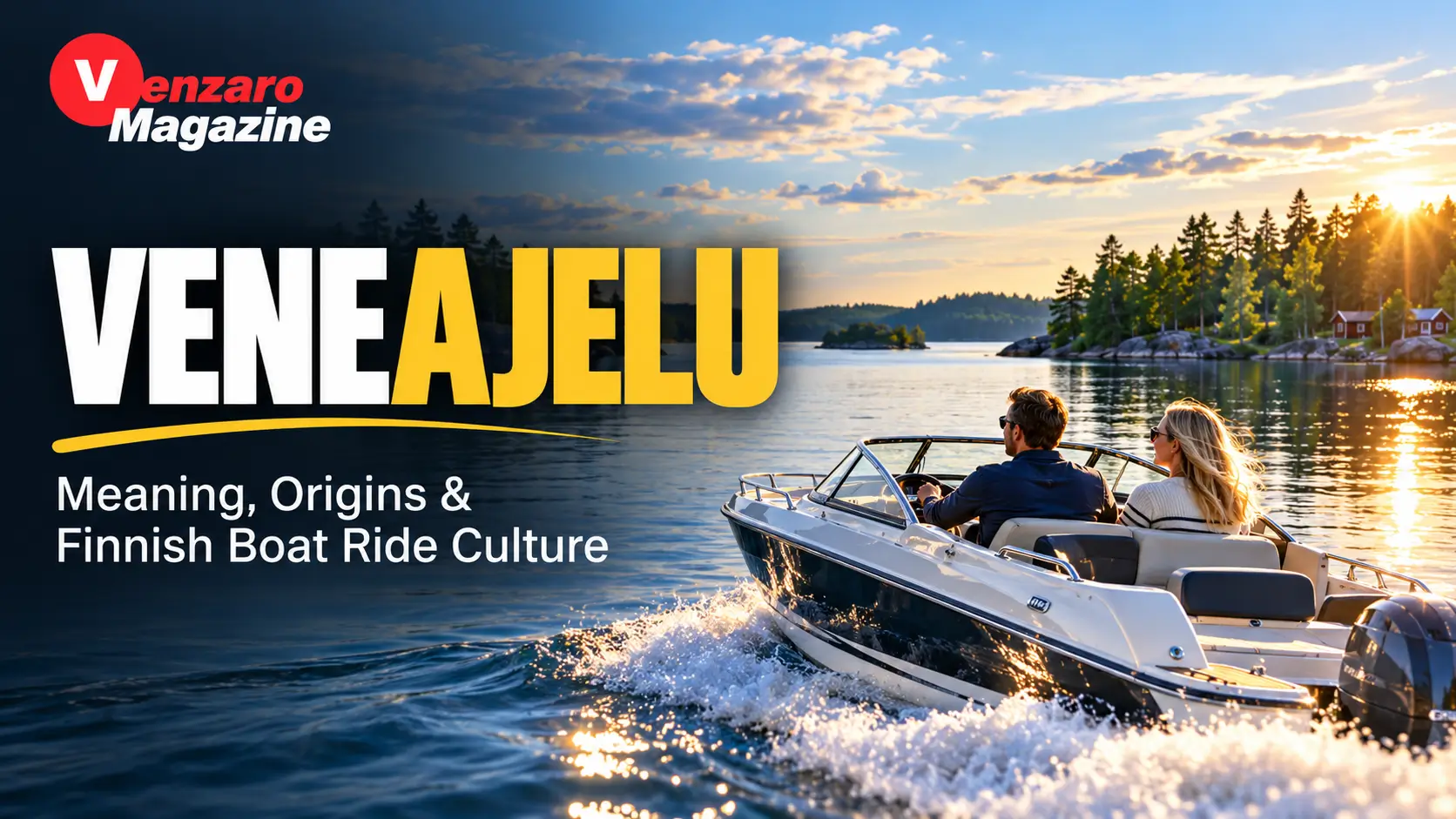
Veneajelu is a Finnish word that describes a boat ride or a recreational trip on the water. Although its English translation is straightforward, the activity has a particularly natural place in Finland, where lakes, coastal islands, and waterways shape both the landscape and everyday outdoor recreation.
A veneajelu might involve a short ride in a rowing boat, a leisurely afternoon exploring a lake, or a sightseeing excursion along the Finnish coast. The word does not prescribe a particular destination, vessel, or duration. Its meaning depends on the situation, although it commonly suggests travelling by boat for enjoyment rather than simply reaching somewhere.
For visitors, understanding veneajelu offers an introduction to a familiar side of Finnish outdoor life. For language learners, it provides a useful example of how Finnish compound words combine simple ideas into descriptive expressions.
The interesting part is not that Finland has invented a unique form of boating. It is how an ordinary activity connects with the country’s geography, recreational habits, and opportunities to experience nature.
The Meaning and Linguistic Origins of Veneajelu
The meaning of veneajelu becomes clearer when the word is separated into its Finnish components.
Vene means boat, while ajelu refers to a ride, a drive, or a leisurely outing. Together, they express the idea of going for a boat ride.
The word illustrates a common feature of Finnish vocabulary: forming compound expressions by joining words whose meanings contribute to a larger idea.
What Does Vene Mean?
In Finnish, vene is the general word for a boat. It can describe various small watercraft used for transport, fishing, and recreation.
The word also appears in other boating-related Finnish expressions. For someone learning the language, recognising vene can make unfamiliar vocabulary easier to interpret.
Its presence in veneajelu identifies the central activity as something involving a boat rather than another means of transport.
What Does Ajelu Mean?
Ajelu typically describes the act of going for a ride or driving around, often with a recreational element.
The distinction between travelling somewhere and taking a ride for enjoyment is useful here. A journey may have a fixed destination or practical purpose, while an outing can be worthwhile simply because the experience itself is enjoyable.
When combined with vene, the resulting word suggests a boating trip without necessarily implying a formal excursion or scheduled service.
Is Veneajelu a Special Finnish Tradition?
Some online descriptions present veneajelu as an ancient Finnish ritual or a clearly defined cultural philosophy.
Such interpretations go further than the word’s basic meaning. Veneajelu can be understood as an ordinary expression for a boat ride, and there is insufficient evidence to establish it as the name of a particular historical ceremony.
That distinction matters because Finnish boating culture has genuine historical and geographical significance without needing an invented tradition attached to it.
The activity can certainly be meaningful to individuals and families. However, the personal enjoyment of boating should not be confused with a universally recognised cultural practice carrying fixed rules or symbolic meanings.
Why Boat Rides Fit Naturally Into Finnish Life
Finland’s relationship with water provides the most useful context for understanding veneajelu.
Across the country, lakes and islands sit close to towns, residential areas, forests, and summer cottages. Water is not limited to distant holiday destinations. In many regions, it forms part of the surrounding landscape.
This makes boating relevant to several different aspects of life, including recreation, island access, fishing, sightseeing, and summer holidays.
The Influence of Finland’s Lakes
Finland is widely associated with its extensive network of lakes. The country’s Lakeland region, particularly in central and eastern Finland, contains interconnected lakes, waterways, wooded shores, and islands.
For recreational boaters, these environments offer considerable variety. A quiet inlet may provide shelter from wind, while a larger lake can offer expansive views and opportunities for longer excursions.
Some people prefer rowing close to shore. Others use motorboats to reach more distant destinations or spend time travelling between islands.
The experience depends heavily on the water conditions and the type of boat being used. A sheltered lake should not automatically be considered safe in every situation, particularly when weather conditions are changing.
Coastal Boating and Island Life
Finland also has an extensive Baltic Sea coastline and a remarkable network of coastal islands.
In the archipelago, boats serve both recreational and practical purposes. They make it possible to reach islands, explore coastal scenery, and visit places that may be difficult to access directly by road.
A coastal boat ride can feel quite different from an inland lake outing. Navigation may involve marked channels, rocky shorelines, other vessels, and changing sea conditions.
Travellers unfamiliar with the region may therefore find a professionally operated sightseeing excursion more suitable than independently navigating unfamiliar waters.
Summer Cottages and Recreational Boating
Summer cottages, known in Finnish as mökki, are another useful part of the cultural context.
Cottage holidays often centre on spending time outdoors, enjoying the surrounding environment, and taking a break from urban routines. Where a cottage is located beside suitable water, boating may become one of several recreational activities.
A family might use a rowing boat for a short outing, travel to a nearby island, or simply enjoy the scenery from the water.
However, not every Finnish cottage includes a boat, and boating is not a required part of cottage culture. It is one activity among many, alongside swimming, walking, fishing, and spending time outdoors.
What Does a Typical Veneajelu Experience Look Like?
There is no single standard experience that defines veneajelu.
One person might associate it with a short, quiet ride around a small lake. Another may picture travelling through coastal islands on a larger boat.
The main differences come from the setting, the vessel, and the purpose of the journey.
A Peaceful Rowboat Trip
A rowing boat offers a relatively simple form of recreational boating. Without an engine, movement depends on physical effort and conditions on the water.
On suitable sheltered waters, rowing provides an opportunity to explore at a slower pace, observe the shoreline, and enjoy the surrounding environment.
It also requires awareness of wind, distance, fatigue, and the possibility of changing conditions.
Beginners should avoid assuming that a small boat is automatically easier or safer. Balance, loading, and the ability to return to shore all matter.
A Guided Sightseeing Cruise
For visitors without boating experience, a guided cruise may be the most accessible option.
These trips generally follow planned routes and are operated by crews familiar with local waters. Depending on the service, passengers may enjoy views of islands, historic waterfronts, architecture, or natural landscapes.
Guided excursions are especially useful in unfamiliar coastal environments where independent navigation would demand additional knowledge and equipment.
The practical details vary by operator, so travellers should check route descriptions, departure locations, accessibility arrangements, and cancellation conditions before making plans.
A Leisurely Motorboat Outing
Motorboats can cover greater distances than rowing boats, making them useful for exploring larger waterways or travelling between suitable stopping points.
They also introduce additional responsibilities, including fuel management, safe speed, navigation, and understanding local boating rules.
For someone without suitable experience, hiring a boat with an experienced skipper may be preferable to operating one independently.
The goal of a recreational outing should not be to cover the greatest possible distance. A shorter route that suits the conditions and passengers may provide a better experience.
Where Can Visitors Experience Veneajelu in Finland?
The most appropriate location depends on the kind of boating experience a visitor wants.
Some places offer convenient sightseeing cruises, while others are better suited to quiet lake outings or more involved water-based adventures.
Helsinki and Its Coastal Waters
Helsinki provides an accessible introduction to Finnish coastal boating.
The city’s waterfront and surrounding islands allow visitors to experience maritime scenery without travelling far from the capital.
Organised sightseeing trips may include views of coastal neighbourhoods, historic sites, and islands around the city.
For travellers with limited time, a professionally operated cruise can offer a manageable way to experience the water while avoiding the practical demands of renting and navigating a boat independently.
Helsinki’s coastal setting also illustrates that boating in Finland is not restricted to remote forests and countryside lakes.
Lake Saimaa and the Lakeland Region
Lake Saimaa, Finland’s largest lake, provides a different environment from the capital’s coastal waterways.
Its interconnected waters, wooded islands, and varied shorelines make the region attractive for outdoor activities.
Visitors can explore the region through appropriately organised lake cruises, guided excursions, or independent boating where their experience and the conditions permit.
The landscape offers opportunities for enjoying natural scenery, although the size and complexity of the lake mean that route planning remains important.
A short local trip and a longer journey across connected waterways require very different levels of preparation.
The Finnish Archipelago
Southwestern Finland’s archipelago is another important destination for water-based travel.
Its coastal environment includes numerous islands, waterways, villages, and marine landscapes.
Travellers may encounter sightseeing boats, scheduled ferries, water taxis, and opportunities for privately arranged excursions.
It is worth distinguishing these services. A ferry is primarily a transport connection, while a sightseeing cruise usually focuses on the journey and surrounding scenery.
Both involve travelling by boat, but they may serve different purposes.
The archipelago can also present navigation challenges, making local expertise valuable for visitors who are unfamiliar with coastal boating.
How to Plan an Enjoyable Boat Ride in Finland
The most successful boating outing is not necessarily the most ambitious one.
A manageable route, suitable weather, appropriate equipment, and realistic expectations often matter more than the distance travelled.
Choose the Right Type of Experience
Before arranging a boat trip, consider what you actually want to do.
Someone interested in photography may prefer a sightseeing cruise with open views and enough time to observe the surroundings.
A family with young children may value a shorter trip, comfortable seating, suitable safety equipment, and easy access to facilities.
Travellers seeking independence may prefer a rental boat, provided they have the required competence and understand the local conditions.
The type of vessel should match the intended route rather than the other way around.
Consider Weather and Seasonal Conditions
Summer is generally the most convenient period for recreational boating in Finland, especially when tourism services operate regular schedules and daylight hours are long.
However, suitable boating conditions cannot be determined from the season alone.
Wind, visibility, precipitation, and water conditions can change, and cold water can remain dangerous even when the air feels relatively warm.
Weather forecasts should be checked shortly before departure, with conditions reassessed as necessary.
Visitors booking organised excursions should also understand how operators handle weather-related cancellations and changes.
Understand the Practical Costs
There is no single standard price for a veneajelu because the word describes an activity rather than a fixed commercial service.
Costs depend on several factors, including the location, duration, type of vessel, season, and whether a skipper or guide is included.
A scheduled sightseeing cruise may charge per passenger, while a private boat rental may charge for a period of use.
Before booking, compare what is actually included. Fuel, equipment, deposits, instruction, and cancellation arrangements can make two apparently similar offers quite different.
A lower advertised price is not necessarily better value if important services or equipment are excluded.
Prepare for the Conditions
Clothing and personal equipment should reflect the weather and the likely exposure to wind and spray.
Even a short boat ride can feel cooler than an equivalent period on land.
Appropriate footwear, a water-resistant outer layer, drinking water, and protection for personal belongings can improve comfort.
Anyone prone to motion sickness should consider the likely movement of the vessel, particularly on exposed waters.
For independently arranged trips, passengers should also know the expected route and how the boat operator plans to respond to changing conditions.
Essential Safety Rules for Veneajelu
Recreational boating can be enjoyable, but it should never be approached casually when safety is concerned.
The Finnish Transport and Communications Agency, Traficom, provides guidance on responsible boating, including appropriate equipment, weather assessment, and the responsibilities of the person operating a vessel.
Wear an Appropriate Life Jacket
Every passenger should wear a correctly fitted life jacket or suitable personal flotation device for the activity and conditions.
A flotation device stored elsewhere in the boat offers limited protection during an unexpected fall into the water.
Children require particular attention because their equipment must be appropriate for their size and properly secured.
Passengers should also understand how to use their safety equipment before departure.
Respect the Weather and the Water
Conditions can deteriorate quickly, particularly on open lakes and coastal waters.
A route that appears manageable at departure may become more challenging if wind or visibility changes.
Boat operators should understand their vessel’s limitations and remain prepared to shorten or cancel a trip.
Water temperature also deserves attention. Cold-water exposure can create serious risks even when the weather appears pleasant.
Follow Local Navigation Rules
Boating involves responsibilities towards other water users.
Operators must understand applicable navigation rules, speed restrictions, marked routes, and any local limitations.
Different vessels may have different operating requirements, and rental companies may establish additional conditions.
Visitors should confirm the relevant rules rather than assume that regulations from their home country apply in Finland.
Make Responsible Decisions
Operating a boat requires attention, judgement, and the ability to respond to unexpected situations.
Alcohol and impaired judgement are particularly dangerous around water.
The person responsible for the vessel should remain sober, understand the route, and ensure that passengers know what to do in an emergency.
For independent outings, sharing the intended route and return plans with someone onshore adds an important precaution.
Veneajelu and Responsible Nature Tourism
Finland’s waterways support recreation, but they are also part of living environments that deserve care.
A pleasant outing should not come at the expense of wildlife, shoreline habitats, or other people enjoying the same area.
Reducing unnecessary noise, managing waste properly, and avoiding disturbance to animals are practical ways to travel more responsibly.
In coastal and lake environments, boat wakes can also affect nearby shorelines, smaller vessels, and people using the water.
Travelling at an appropriate speed is therefore not merely a question of comfort. It contributes to safer and more considerate boating.
Visitors should follow local guidance on landing, protected areas, and access restrictions. The presence of an accessible shoreline does not necessarily mean that every location is suitable for stopping or exploring.
Responsible boating also means leaving places as they were found, rather than treating isolated islands or quiet natural areas as unrestricted recreational spaces.
What Makes Veneajelu Different From Other Water Activities?
Veneajelu is a general expression describing a boat ride, rather than a separate sporting discipline.
Understanding that distinction prevents confusion with more specialised activities.
Sailing, for example, involves the use of sails and requires knowledge appropriate to the vessel and conditions. Kayaking and canoeing involve paddling smaller craft and are usually described through their own activity-specific terminology.
A sightseeing cruise is generally a commercial service designed around a planned route and passenger experience.
Veneajelu can overlap with recreational boating activities, but the Finnish word does not automatically identify the propulsion method, level of difficulty, or purpose of the journey.
Similarly, a fishing expedition may involve travelling by boat, yet fishing remains the central activity rather than the boat ride itself.
The distinction is useful for travellers searching for services. Looking for a specific experience, such as a guided lake cruise or small-boat rental, may produce more relevant results than searching for veneajelu alone.
Why the Experience Appeals to Different Travellers
The appeal of a boat ride is often shaped by what passengers hope to gain from their time on the water.
For some, it is the opportunity to see a destination from a different perspective. A coastline or lakeside town can look noticeably different when approached from the water.
Others value the slower rhythm of a recreational outing. Without an extensive schedule of attractions, a short journey can provide time to observe the surroundings and enjoy conversation.
Nature enthusiasts may appreciate opportunities to view islands, forests, and shorelines, provided wildlife is observed respectfully.
Families and groups may choose boating as a shared outdoor activity, while solo travellers may prefer guided excursions that require little independent planning.
These possibilities help explain why recreational boating remains relevant to different travel styles. They do not mean that everyone will find the experience relaxing or suitable.
Comfort, accessibility, weather, and personal preferences should always influence the choice.
Frequently Asked Questions About Veneajelu
What does Veneajelu mean in English?
Veneajelu generally means a boat ride or recreational boating trip. It combines the Finnish words vene, meaning boat, and ajelu, referring to a ride or leisurely outing.
How do you pronounce Veneajelu?
An approximate English pronunciation is VEH-neh-ah-yeh-loo. Finnish spelling follows relatively consistent pronunciation patterns, although written English approximations cannot reproduce every sound precisely.
Is Veneajelu a particular type of boat?
No. The term refers to a boat ride rather than a particular vessel. The experience may involve different types of boats depending on the location and purpose of the outing.
Do you need boating experience to enjoy Veneajelu?
Not necessarily. Passengers on professionally operated sightseeing cruises generally do not need boating qualifications. Anyone intending to operate a vessel independently should have suitable skills and confirm the applicable requirements.
Can children participate in a boat ride in Finland?
Yes, many boating experiences can accommodate children, but suitability depends on the vessel, operator, conditions, and available safety equipment. Families should confirm age restrictions and ensure that correctly fitted flotation devices are provided.
Is Veneajelu only possible during summer?
No. The word itself has no seasonal restriction. However, recreational boating opportunities depend on weather, water conditions, local services, and the suitability of the vessel. Summer generally offers more convenient options for visitors.
Conclusion
Veneajelu is an understandable Finnish expression for a boat ride, but its setting can make the experience particularly appealing. Finland’s lakes, coastal islands, and recreational boating opportunities provide different ways to enjoy travelling on the water.
The word should not be confused with a formal cultural ceremony or a specialised boating technique. Its value lies in describing a familiar activity that can take many forms, from a quiet lake outing to a professionally guided coastal excursion.
For visitors, the most useful approach is to choose an experience that matches their interests and abilities, understand the conditions, and make safety a priority. With appropriate preparation, a boat ride can provide a rewarding perspective on Finland’s natural surroundings.
RELATED ARTICLE: MyVikingJourney: Login, Booking, Excursions & Pre-Cruise Guide