




Some words attract attention because they have a familiar meaning, while others stand out precisely because they are difficult to identify. Wenrath belongs to the second category. Its distinctive spelling gives it the appearance of a surname, personal name, or uncommon identity, but understanding what it represents requires looking at its possible linguistic and cultural connections.
People may encounter Wenrath while searching for unfamiliar names, exploring family history, researching online identities, or investigating a term found in a digital publication. Without additional context, it can be difficult to determine whether the word refers to an individual, a family name, a fictional identity, or something else entirely.
Rather than assigning it an unsupported definition, it is more useful to examine how uncommon names develop, how historical spellings change, and why distinctive terms sometimes become subjects of online searches.
The First Impression Behind the Name Wenrath
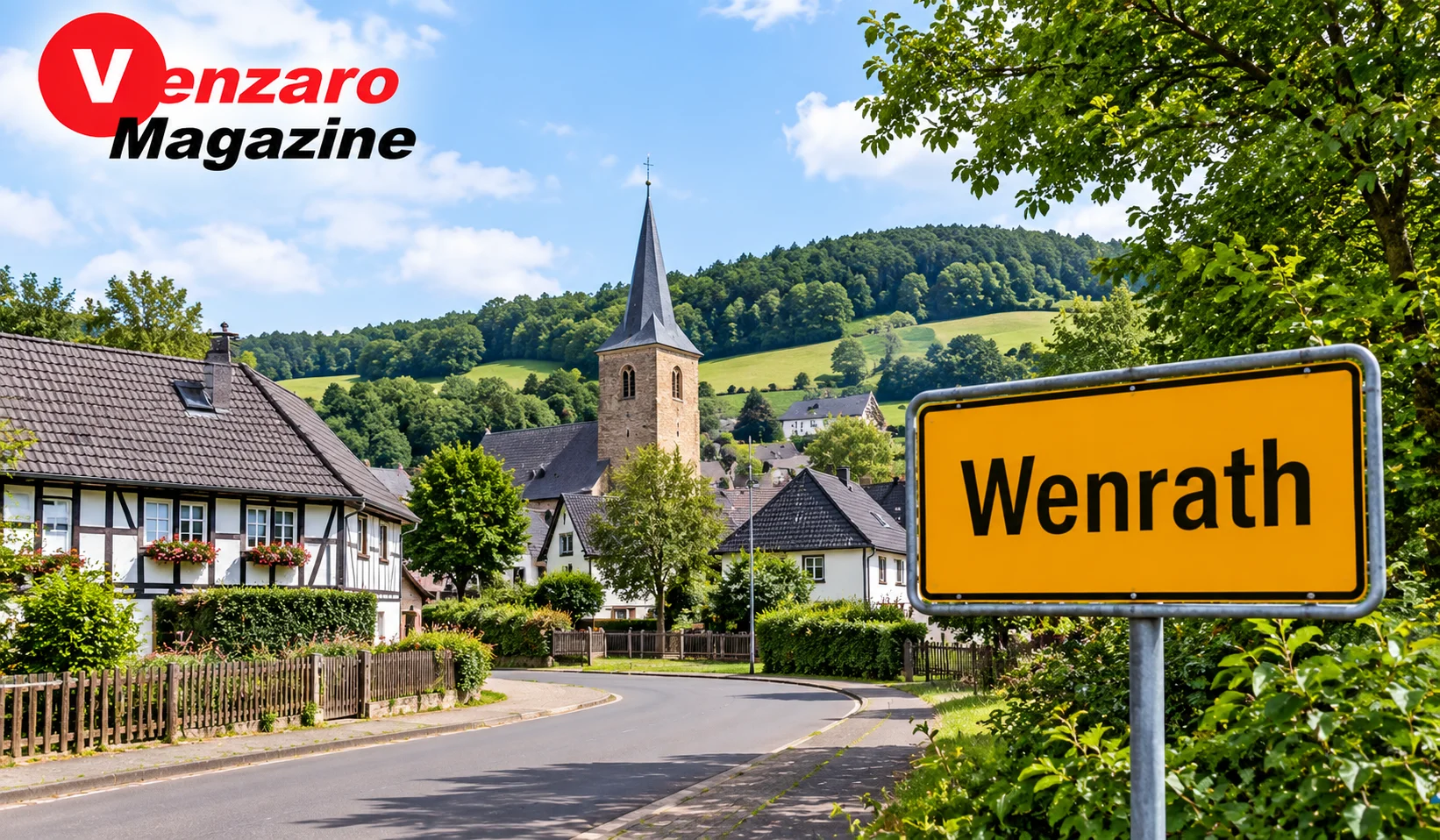
Wenrath has a structure that resembles several European surnames. Its combination of consonants and the ending “-rath” may remind readers of German-language family names and geographical names.
However, a resemblance in spelling does not establish a confirmed linguistic origin. Names can develop independently, change through migration, or acquire different spellings when transferred between languages.
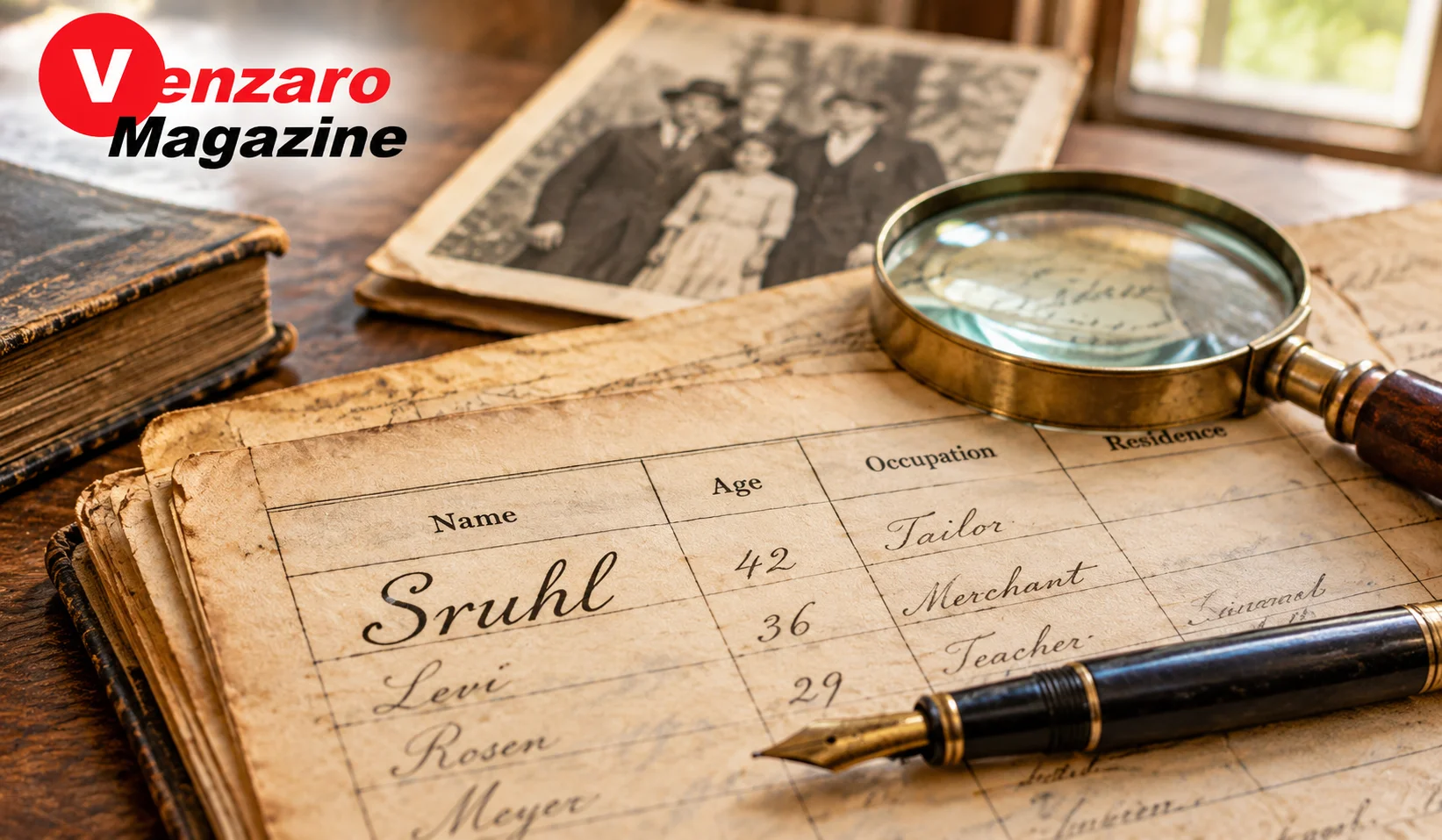
This is particularly relevant when researching family names. Historical documents were often prepared by different officials, and the spelling of an individual’s name could vary between records. Immigration documents, handwritten registers, and regional naming traditions may all contribute to these differences.
For someone investigating Wenrath, identifying the earliest available reference is generally more useful than relying on assumptions based on its appearance.
Could Wenrath Have a Historical or European Connection?
The ending of Wenrath makes a German-language connection worth investigating, although this alone is not sufficient to establish its origin.
European surnames frequently developed from several sources:
- Geographical descriptions: Names associated with towns, villages, landscapes, or places of origin.
- Occupational identities: Family names connected to traditional professions and trades.
- Personal characteristics: Descriptive names that developed around an individual’s appearance or personality.
- Family relationships: Names passed through generations and gradually modified through local language practices.
German place names also sometimes contain elements such as “rath” or “rathen.” These historical forms can have different explanations depending on their geographical and linguistic setting.
It would therefore be inaccurate to assign Wenrath a specific meaning without supporting historical or genealogical evidence.
Why Uncommon Names Are Difficult to Research
Searching for a rare name is often more complicated than researching a widely recognized surname. Common names usually produce multiple reliable references, while less familiar spellings may return incomplete or unrelated information.
Wenrath presents several research challenges.
Limited historical documentation: An uncommon spelling may not appear consistently across public records, making it difficult to establish a timeline.
Alternative spellings: Older documents may contain variations that are not immediately recognizable as related to the same name.
Search result confusion: Search engines sometimes return similar-looking words instead of the exact term being investigated.
Missing context: A name without an associated location, date, or individual is difficult to identify accurately.
These challenges do not mean that a name lacks historical importance. They simply demonstrate why careful verification matters when investigating unfamiliar terminology.
Wenrath as a Personal or Family Identity
One possible use of Wenrath is as a personal or family name. Surnames often carry information about ancestry, migration, and connections between generations.
Someone researching this possibility may begin with family documents, birth registrations, marriage records, immigration papers, or older census entries.
The geographical location of a historical reference can be particularly valuable. If Wenrath appears in a document connected to a particular region, researchers can narrow their investigation to records from that area.
It is also worth examining the names of relatives appearing in the same documents. Family relationships can help establish whether different spelling variations refer to the same ancestral line.
Importantly, a surname should not be assigned a specific nationality or family history simply because it resembles a name from a particular linguistic tradition.
The Role of Unusual Names in Digital Culture
The internet has changed how people use and discover distinctive words. A term no longer needs to appear in a traditional dictionary to have a recognizable purpose.
Online platforms allow individuals to establish identities through usernames, profile names, gaming accounts, and creative projects. A distinctive spelling can make an identity easier to distinguish from millions of other accounts.
Wenrath could potentially be encountered in these contexts, although its appearance alone does not confirm an association with a particular platform or individual.
The same principle applies to fictional characters and creative projects. Writers frequently develop unusual names to create identities that feel memorable without resembling everyday expressions.
For readers, the important question is not simply how a name looks but where it appears and what information accompanies it.
Could Wenrath Work as a Brand or Project Name?
Distinctive naming can be useful when developing a business, publication, or creative project. A name that is relatively uncommon may offer opportunities for a recognizable digital identity.
Wenrath has a short, relatively straightforward spelling that could be considered for a range of creative applications. However, choosing a name requires more than finding something that looks attractive.
Before adopting it commercially, several practical checks are necessary:
- Search existing businesses and organizations using the same name.
- Check whether suitable website domains are available.
- Review social media username availability.
- Investigate relevant trademark databases.
- Consider whether the name is easy for the intended audience to pronounce and remember.
A distinctive name is only valuable when it can be used consistently and does not create confusion with an existing organization.
How to Investigate the Name Wenrath More Effectively
Anyone trying to establish the meaning or background of Wenrath should follow a research process that prioritizes original evidence.
Start with the exact spelling rather than immediately searching for broader variations. This helps establish whether there are documented references using the term in its current form.
Next, explore possible historical spellings and linguistic variations. If the investigation concerns genealogy, adding a geographical location or approximate historical period can significantly improve the relevance of search results.
Finally, compare multiple records before drawing conclusions. A single website or an unverified description should not be treated as sufficient evidence for establishing a name’s origin.
The strongest research combines original documents, geographical context, and reliable historical information.
Final Thoughts
Wenrath is an uncommon term whose appearance raises interesting questions about personal names, historical spelling practices, and digital identity. Its structure may invite comparisons with European naming traditions, particularly German-language forms, but its precise origin and meaning cannot be established from spelling alone.
That distinction is important when researching unfamiliar words. A convincing explanation should be supported by historical records or credible linguistic evidence rather than assumptions.
Whether Wenrath is encountered as a surname, a personal identifier, or a name used in a creative setting, understanding its context is the most reliable way to discover what it represents. Sometimes the most useful part of researching an unfamiliar name is learning how to separate genuine historical connections from simple similarities in spelling.
More Read: Magboxworld.com: Exploring Its Digital Publishing, Content, and Online Presence