




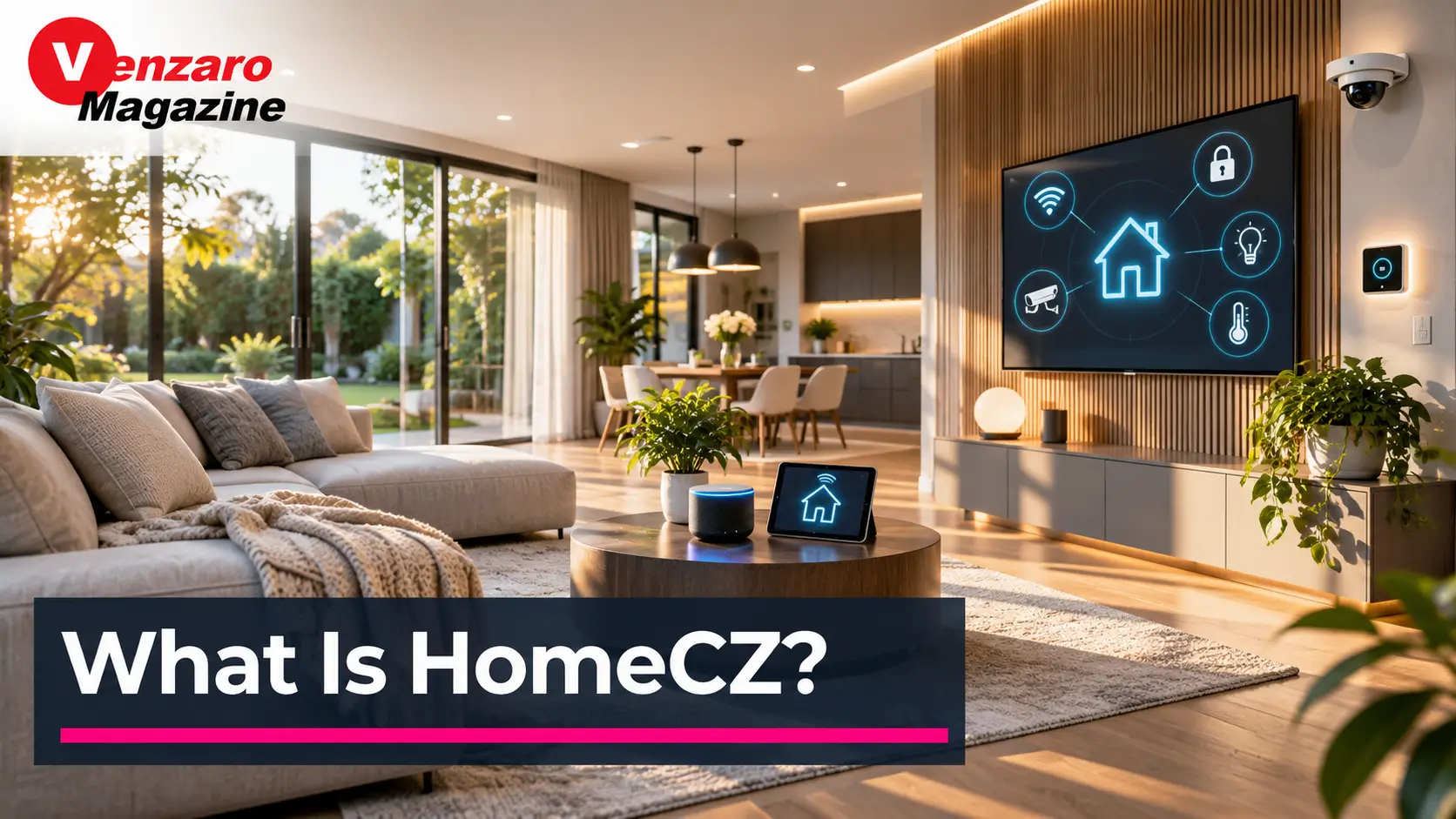




A comfortable home is not simply a place to sleep or keep personal belongings. It is an environment that influences everyday routines, productivity, relaxation, and the way people experience their personal lives. As household needs continue to change, people are becoming more thoughtful about how they organize their living spaces, choose home products, and make improvements that offer lasting value. This growing interest has also brought attention to HomeCZ, a keyword associated with the broader world of home living and household solutions.
Understanding what makes a home functional requires looking beyond attractive furniture or expensive decorations. The most successful living spaces combine practical arrangements, thoughtful design, reliable products, and an understanding of how different household elements work together. Whether someone is setting up a new property, refreshing an existing interior, or looking for better ways to manage daily household activities, making informed decisions can significantly improve the experience.
Why the Way We Think About Our Homes Is Changing
Modern households have different expectations from those of previous generations. Homes increasingly serve multiple purposes, often functioning as workplaces, entertainment areas, study environments, and spaces for family interaction. This shift has changed the way people approach interior planning and household purchases.
A living room, for example, may need to accommodate family gatherings during the evening while providing a quiet corner for reading or working during the day. Similarly, a kitchen is no longer viewed exclusively as a place for preparing meals. Its layout, storage capacity, lighting, and accessibility all contribute to the overall convenience of the household.
The growing interest in HomeCZ reflects an opportunity to explore these changing expectations through a practical home-living perspective.
Instead of following every popular interior trend, homeowners benefit from identifying what genuinely improves their daily routines. A well-organized room with comfortable furniture and sufficient storage can offer more value than an expensive space designed primarily for appearance.
The Details That Make a Living Space Feel Complete
Creating an inviting home involves several connected decisions. Individual products may appear attractive on their own, but their usefulness depends on how well they fit into the surrounding environment.
Furniture and room proportions
Furniture should complement the dimensions and purpose of a room. Oversized sofas can make smaller living areas feel restricted, while furniture that is too small may leave larger rooms looking unfinished. Measuring available space before purchasing major items helps avoid unnecessary expenses and improves movement throughout the property.
Lighting and atmosphere
Lighting influences how a room looks and feels. Natural light can make interiors appear more open, while carefully positioned artificial lighting provides flexibility after sunset. Combining general illumination with focused lighting around reading areas, workstations, and kitchen counters creates a more adaptable environment.
Storage and organization
Storage is often underestimated during home planning. Without suitable storage arrangements, everyday belongings gradually occupy surfaces and reduce usable space. Shelving, cabinets, drawer organizers, and multifunctional furniture can help maintain a cleaner appearance without requiring major renovations.
Materials and durability
The appearance of household products matters, but durability deserves equal consideration. Flooring, upholstery, kitchen surfaces, and frequently used furniture should be selected according to their expected workload, maintenance requirements, and resistance to everyday wear.
Making Better Household Decisions Without Overspending
Improving a home does not necessarily require a substantial financial investment. In many situations, identifying the areas that create the most inconvenience is a better starting point than purchasing new decorative items.
For example, a poorly arranged kitchen may become easier to use simply by repositioning frequently used equipment and reorganizing storage. An uncomfortable bedroom might benefit more from improved lighting, suitable bedding, and better furniture placement than from an expensive decorative makeover.
A sensible purchasing approach involves considering three questions:
- Does it solve an actual problem? A product should have a clear purpose within the household rather than simply occupying additional space.
- Will it remain useful over time? Consider construction quality, maintenance, replacement costs, and how frequently the item will be used.
- Does it fit the existing environment? Dimensions, materials, colors, and functionality should complement the home’s current arrangement.
These considerations are particularly useful when comparing different household products. A lower purchase price does not always represent better value if the item requires frequent repairs or replacement.
A More Thoughtful Approach to Everyday Home Organization
An organized home is easier to maintain when its systems reflect the habits of the people living there. Instead of attempting to reorganize everything at once, it is more practical to address individual areas according to their daily use.
The entrance is a useful place to begin. Shoes, keys, bags, and outdoor accessories often accumulate near doors because they do not have designated storage locations. A small cabinet, wall hooks, or a dedicated tray can prevent this clutter from spreading into other rooms.
Kitchens benefit from a similar approach. Keeping frequently used cooking equipment within easy reach reduces unnecessary movement, while separating food preparation areas from general storage improves convenience.
Bedrooms require a different organizational strategy. Clothing, personal accessories, and bedding should have accessible storage arrangements that make daily routines easier. Maintaining clear surfaces also contributes to a calmer atmosphere.
For households looking to establish a manageable routine, the following habits can make a noticeable difference:
- Return frequently used items to their designated locations after use.
- Review cupboards and storage spaces periodically to remove unnecessary belongings.
- Keep cleaning equipment accessible rather than storing everything in inconvenient locations.
- Address small maintenance problems before they develop into expensive repairs.
- Avoid purchasing organizational products until the actual storage problem has been identified.
These practices do not demand complicated schedules. Their value comes from making household maintenance a natural part of everyday life.
Home Technology Should Make Life Easier, Not More Complicated
Technology has introduced new possibilities for managing household activities. Smart lighting, connected thermostats, security systems, and automated appliances allow homeowners to control certain functions with greater convenience.
However, installing technology simply because it is available is not always a sensible decision. The most useful additions are those that address genuine household requirements.
Smart lighting, for instance, can provide flexible control over brightness and scheduling. Connected security equipment may help homeowners monitor entry points when they are away. Energy-monitoring devices can also provide information about electricity consumption, helping households understand where energy is being used.
Before purchasing connected equipment, buyers should examine compatibility, software support, privacy settings, installation requirements, and long-term operating costs.
A device that requires complicated configuration or depends on unreliable software may create more inconvenience than it removes. Home technology should fit naturally into existing routines instead of forcing people to change the way they use their homes.
Creating a Healthier and More Comfortable Indoor Environment
Comfort involves more than temperature and furniture. Indoor air quality, cleanliness, ventilation, and natural light all influence the experience of living inside a property.
Regular ventilation helps replace indoor air, although the appropriate approach depends on outdoor air quality, weather conditions, and the building’s ventilation system. Kitchens and bathrooms deserve particular attention because cooking and bathing can introduce additional moisture into indoor spaces.
Excess humidity may contribute to condensation and mold growth, especially in poorly ventilated areas. Addressing leaks, using suitable exhaust ventilation, and monitoring persistent dampness can help prevent these problems.
Cleaning materials and household maintenance products should also be selected carefully. Following manufacturer instructions, storing chemicals securely, and avoiding the unnecessary mixing of cleaning products are important safety practices.
Plants can add natural character to interiors, but their placement should account for available light, watering requirements, and the needs of children or pets.
The objective is not to create a perfectly controlled indoor environment. It is to establish conditions that support comfortable everyday living without introducing unnecessary maintenance.
What to Consider Before Exploring HomeCZ-Related Products and Ideas
People researching HomeCZ or exploring home improvement opportunities should begin with their specific requirements. Different households have different priorities, and a product that works exceptionally well in one environment may not be suitable for another.
A homeowner furnishing a new apartment may prioritize compact furniture, kitchen essentials, and storage solutions. Someone improving an established property may be more interested in replacing worn materials, updating lighting, or improving energy efficiency.
Before making a purchase, consider the following factors:
| Consideration | What to Evaluate |
|---|---|
| Functionality | Whether the item addresses a specific household need |
| Build quality | Materials, construction, and expected durability |
| Dimensions | Compatibility with the available space |
| Maintenance | Cleaning requirements and replacement parts |
| Safety | Installation instructions and relevant safety standards |
| Overall value | Purchase price compared with expected usefulness |
It is also important to distinguish between product descriptions and independently verified performance claims. Customer reviews can provide useful information about real-world experiences, but they should be considered alongside product specifications, warranty conditions, and the seller’s return policy.
For larger purchases, comparing several options before committing can help prevent avoidable mistakes.
Small Improvements That Can Change the Experience of a Home
Some of the most effective home improvements are relatively simple. Replacing damaged cabinet handles, improving task lighting, organizing a crowded workspace, or repairing a leaking tap can make everyday activities noticeably more convenient.
The key is to recognize the difference between an improvement that looks attractive and one that genuinely enhances usability.
Consider a home office as an example. Adding expensive decorative furniture may change its appearance, but an appropriately positioned desk, supportive chair, manageable cable arrangement, and sufficient lighting are more directly connected to everyday comfort.
The same principle applies throughout the property. In bathrooms, accessible storage and effective ventilation may be more valuable than additional decorative accessories. In living rooms, an arrangement that supports conversation and comfortable movement can improve the experience for everyone.
These decisions demonstrate why practical planning should remain central to any home improvement project.
Building a Home That Continues to Work for You
A home should adapt as household requirements change. Furniture arrangements that once worked may become inconvenient, storage needs can increase, and appliances eventually reach the end of their useful lives.
Periodic assessments help homeowners recognize these changes before they become significant problems. Checking plumbing, electrical fittings, ventilation, roofing, and frequently used appliances can also support a more proactive maintenance approach.
It is worth keeping basic records of appliance purchases, warranties, maintenance work, and important product specifications. This information makes future repairs and replacements easier to manage.
HomeCZ provides a useful starting point for exploring the broader relationship between home organization, practical purchasing decisions, modern living, and household comfort. The most valuable home-related choices are not necessarily the most expensive or fashionable ones. They are the decisions that make a property easier to maintain, more comfortable to use, and better suited to the people who live there.
More Explore:
Why Garage Door Installation Timelines Blow Out in Brisbane
Sodiceram Explained: What It Is and Why Its Identity Matters